Release time:2026-07-08
Basic Product Introduction
Sweeteners are food ingredients that endow food with sweet taste and replace traditional sucrose. They are featured by low or zero calorie content and much higher sweetness than ordinary table sugar. Widely applied in beverages, baking, snacks, health food and oral care products, they serve as core raw materials for sugar reduction formulas in food industry. They are mainly divided into three categories by source and production process.
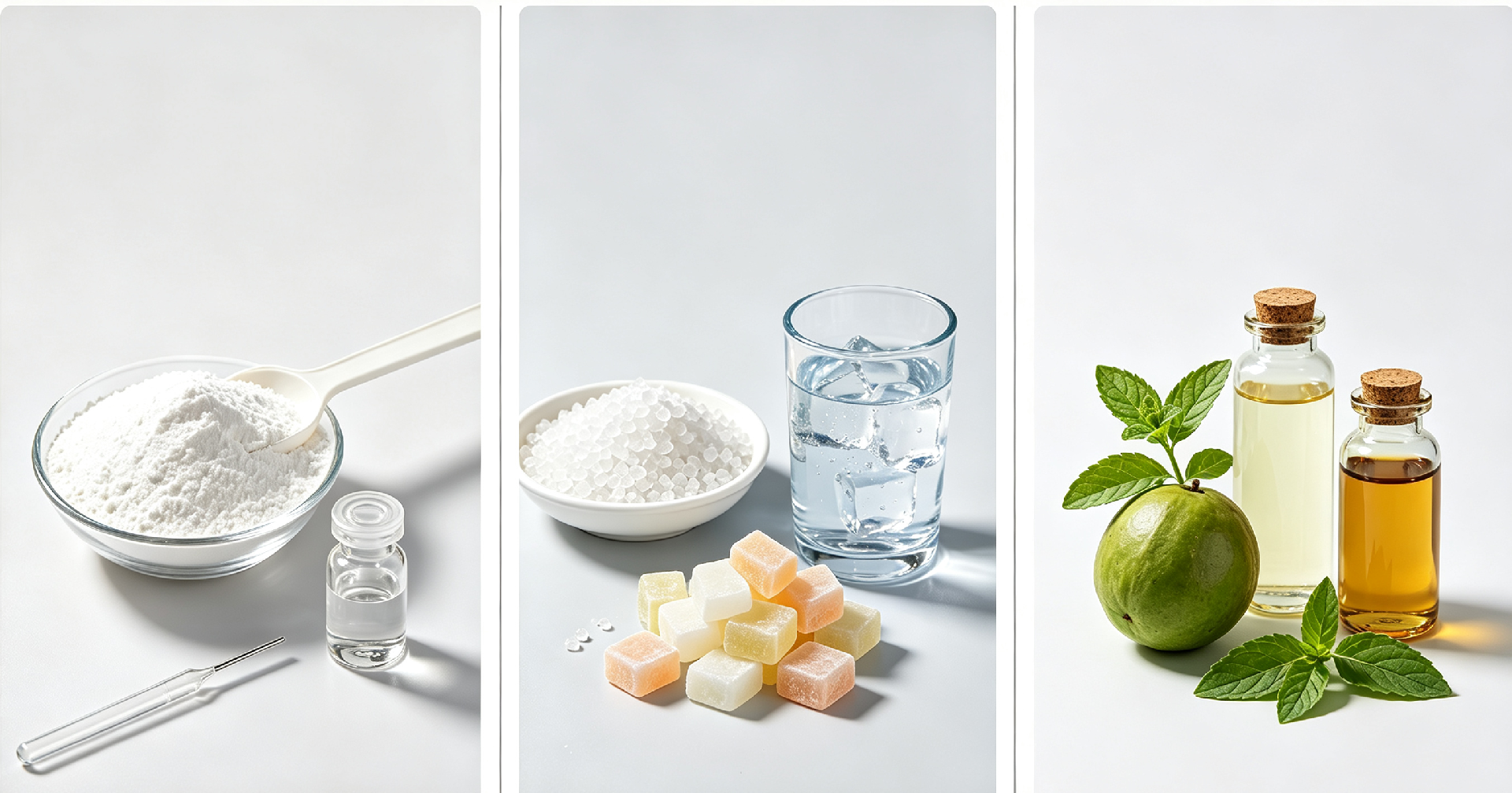
Synthesized via chemical processes, 200 to 600 times sweeter than sucrose with extremely low dosage and low cost, varying greatly in thermal stability.
Sucralose:It is about 600 times sweeter than sucrose, resistant to high temperatures and acids and alkalis, and suitable for baking, beverages, and canned goods, making it the most versatile product for various applications.
Aspartame:It is about 200 times sweeter, cannot withstand high temperatures, and is mostly used in cold drinks and chewing gum. People with phenylketonuria should not consume it.
Acesulfame Potassium:It is 200 times sweeter, highly stable, and often used in combination with other sweeteners.
Mostly produced by microbial fermentation and naturally traceable in fruits and vegetables. Their sweetness is close to sucrose with low human absorption and negligible blood sugar elevation.
Erythritol:With almost zero calories and no involvement in blood sugar metabolism, it has a refreshing coolness and is a mainstream ingredient in sugar-free sparkling water and meal replacements.
Xylitol:Its sweetness is similar to that of sucrose, and it has an outstanding effect in preventing tooth decay. It is often used in chewing gum and sugar-free pastries.
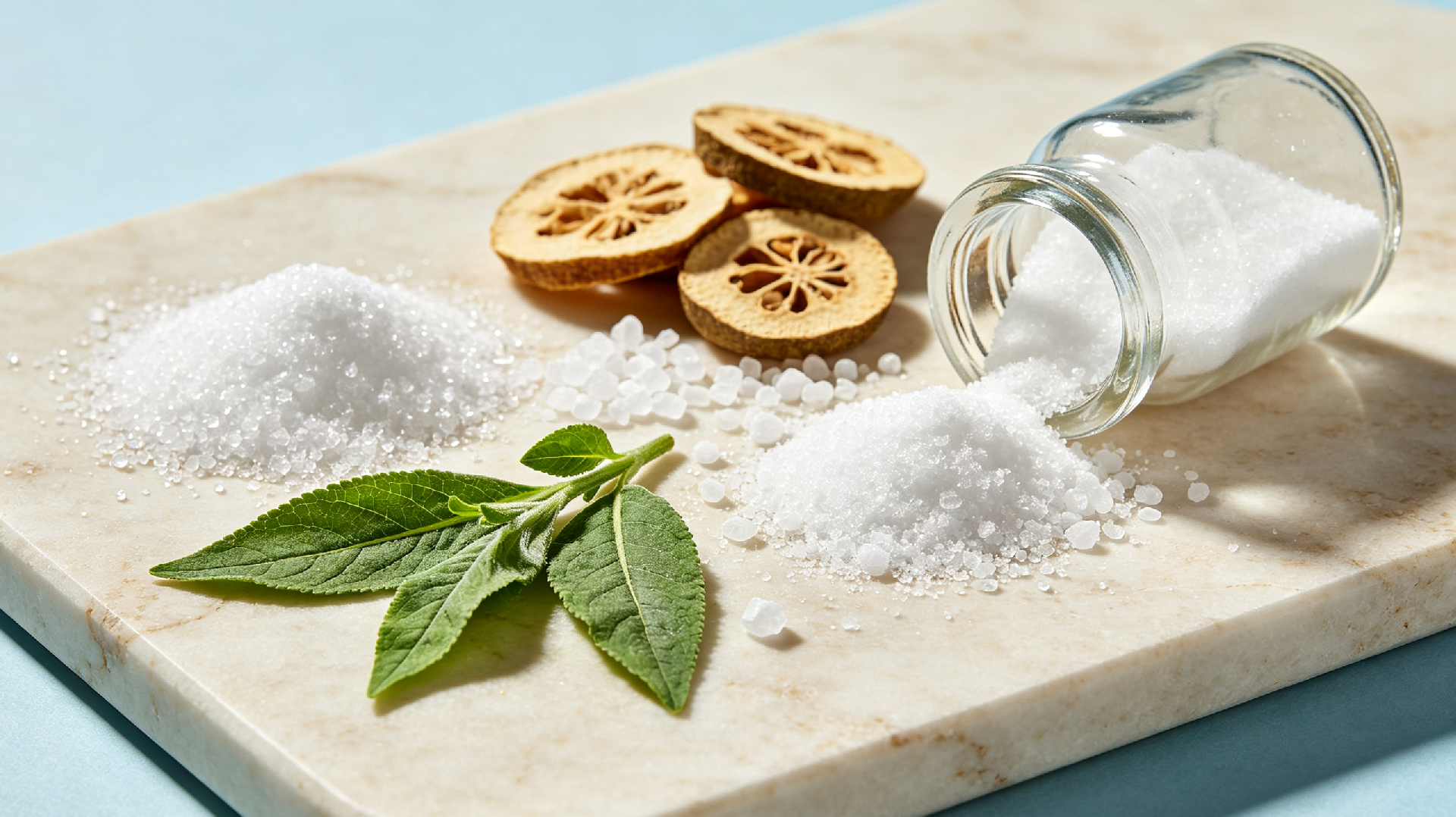
Extracted and processed from plant roots, stems and fruits, highlighted with natural properties to meet demands for clean label products.
Steviol Glycosides:Derived from stevia, it is 200-300 times sweeter and has strong antioxidant properties. It is often used in tea and bottled beverages.
Monk Fruit Extract:Derived from monk fruit, it has a natural flavor without any bitter aftertaste and is often used in high-end sugar-free foods and household sugar substitutes.
Sugar & calorie control to cut energy intake10 grams of conventional sucrose contain around 40 kcal, easily leading to excess calorie intake and sharp blood sugar spikes. Most certified sweeteners are barely digested or absorbed by human body with nearly zero calories and mild impact on postprandial blood glucose, ideal for weight-loss groups, diabetics and people under weight management as sucrose substitutes.
Lower risk of dental cariesSucrose is decomposed by oral bacteria into acid that erodes tooth enamel, while sweeteners cannot be fermented into acid by oral flora, effectively reducing cavities and dental plaque when applied in toothpaste, mouthwash and sugar-free candies.
Distinct metabolic features by categoryExcessive intake of sugar alcohols may cause mild bloating and diarrhea due to intestinal fermentation. Within legal dosage limits, natural plant sweeteners and high-intensity synthetic sweeteners have been certified safe by JECFA and China’s national standard GB2760, and are safe for standardized addition.
Additional functional benefitsSteviol glycosides contain polyphenols with antioxidant activity; Allulose supports Maillard browning reaction with flavor and color similar to sucrose, and acts as prebiotics to assist intestinal regulation.
Consumer side
Sugar reduction policies fuel expansion of sugar-free trackChina’s national nutrition initiative of reducing salt, oil and sugar plus sugar tax guidance in multiple regions prompt consumers to avoid added sugar. The market of sugar-free drinks, zero-calorie snacks and light meal replacements keeps expanding year by year. Small-pack household sweeteners and baking-specific substitutes become daily consumer goods, shifting sweeteners from industrial raw materials to popular retail products.
Product side
Shift from single sweetener to compound formulasSingle sweeteners often leave bitter aftertaste and thin taste. Compound blending of sugar alcohols, natural extracts and synthetic sweeteners has become the mainstream formula for food enterprises, which improves flavor, reduces dosage of single material and cuts production cost.
Raw material industry
Leading domestic production capacity with steady export growthChina ranks as the world’s top producer of sucralose, acesulfame potassium, erythritol and steviol glycosides with complete industrial chains among leading manufacturers. Overseas demand rebounds in 2026 with rising export orders, and global brands rely heavily on China’s supply chain for raw material procurement.
Long-term development
Naturalization, refinement and functional segmentationMarket preference shifts from synthetic to naturally sourced sweeteners, with expanded production capacity of monk fruit extract, enzyme-modified stevia and rare sugars including allulose and tagatose. National standard GB2760 updates usage specifications to eliminate unqualified small-scale workshops. The whole industry upgrades toward standardization, traceability and clean labels, while functional special sweeteners open new opportunities in health food sector. website:www.hengfood.com
website:https://www.hengfood.com