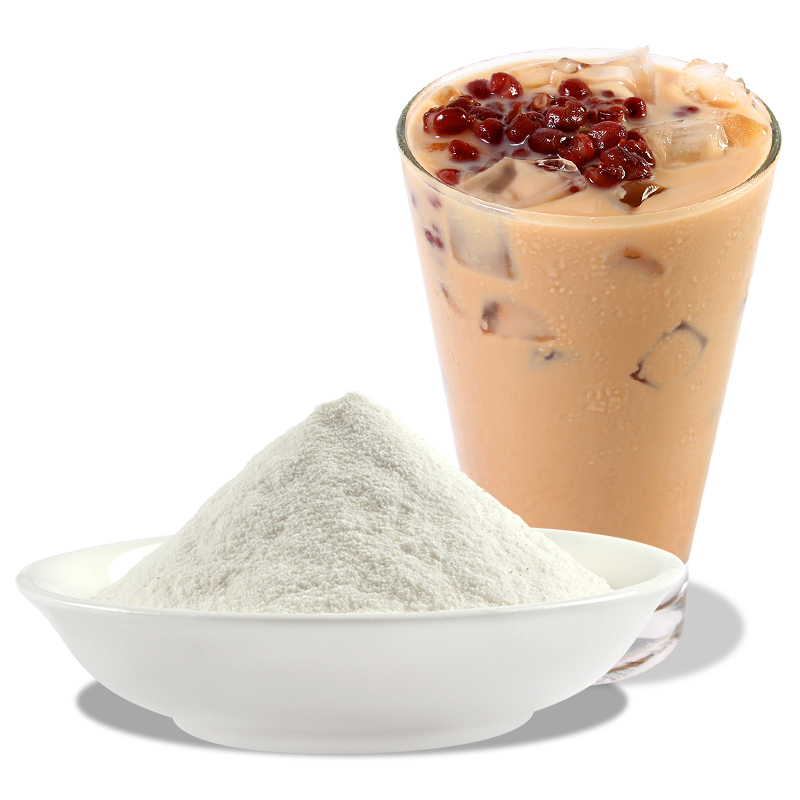
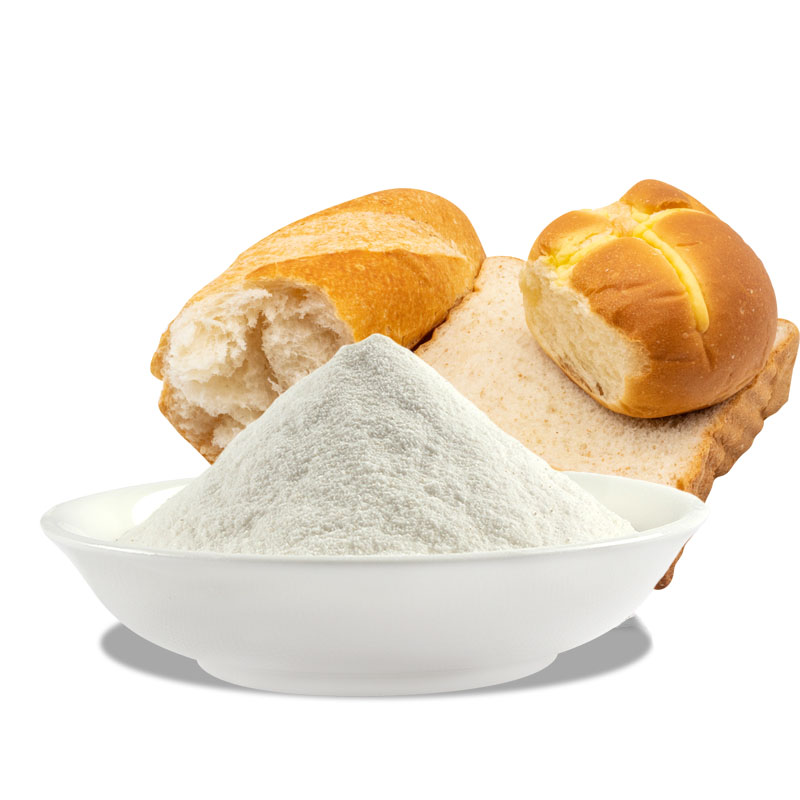
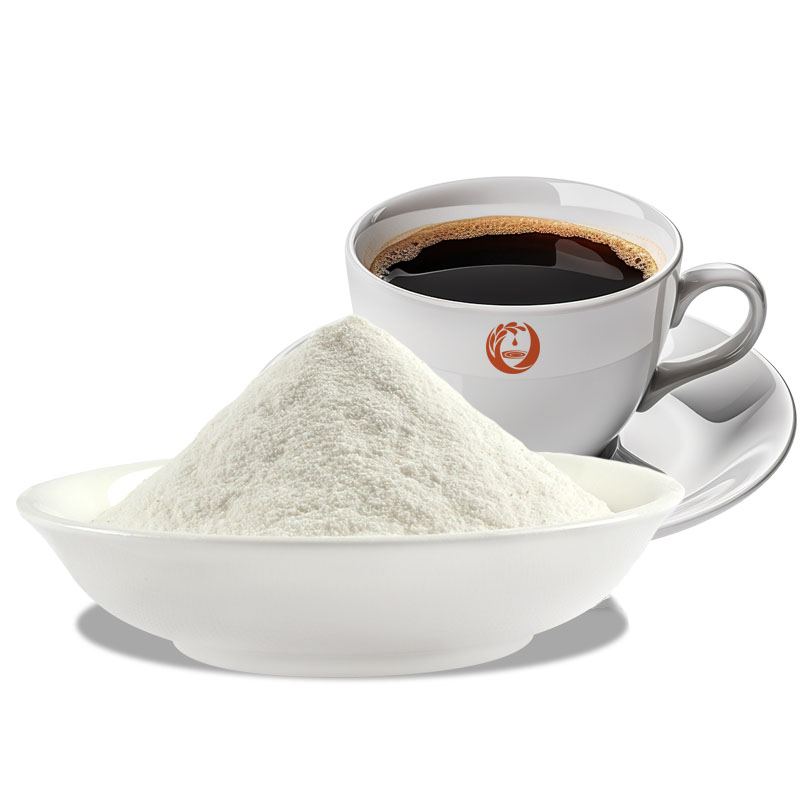
a world-renowned non-dairy creamer supplier-Heng Goodwill

ABOUT US

Zhenjiang Heng Goodwill Food Co.,Ltd

View details >>

Heng Goodwill ,A world-renowned non-dairy creamer supplier

Zhenjiang Heng Goodwill Food Co., Ltd. is an industrial and trade enterprise that produces 80,000 tons of "non-dairy creamer" annually, integrating product research and development, production and sales. The company works closely with Jiangnan University, and has established a complete scientific managem···

20 years

Founded in 2005

100 +

Number of employees

30 +

Coverage country

PRODUCTS

Heng Goodwill ,A world-renowned non-dairy creamer supplier

HOT PRODUCTS

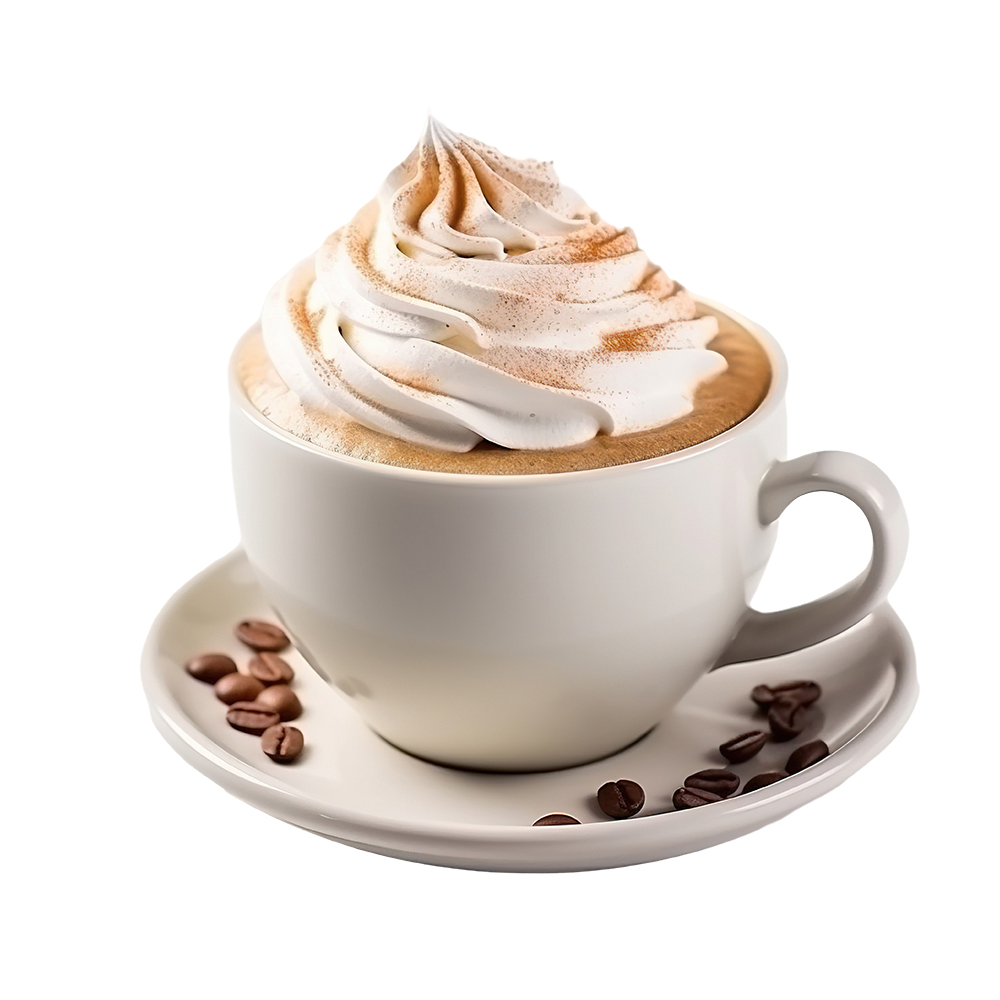
Topping base

After spray drying process of stirring topping base, can mee···
View details >>

Freeze-dried coffee

Freeze-dried coffee slices retain the original flavor of cof···
View details >>

Sweetener APM Plus 200 times

Feature:1,fresh and pure sweet taste2,no bitterness or metal···
View details >>

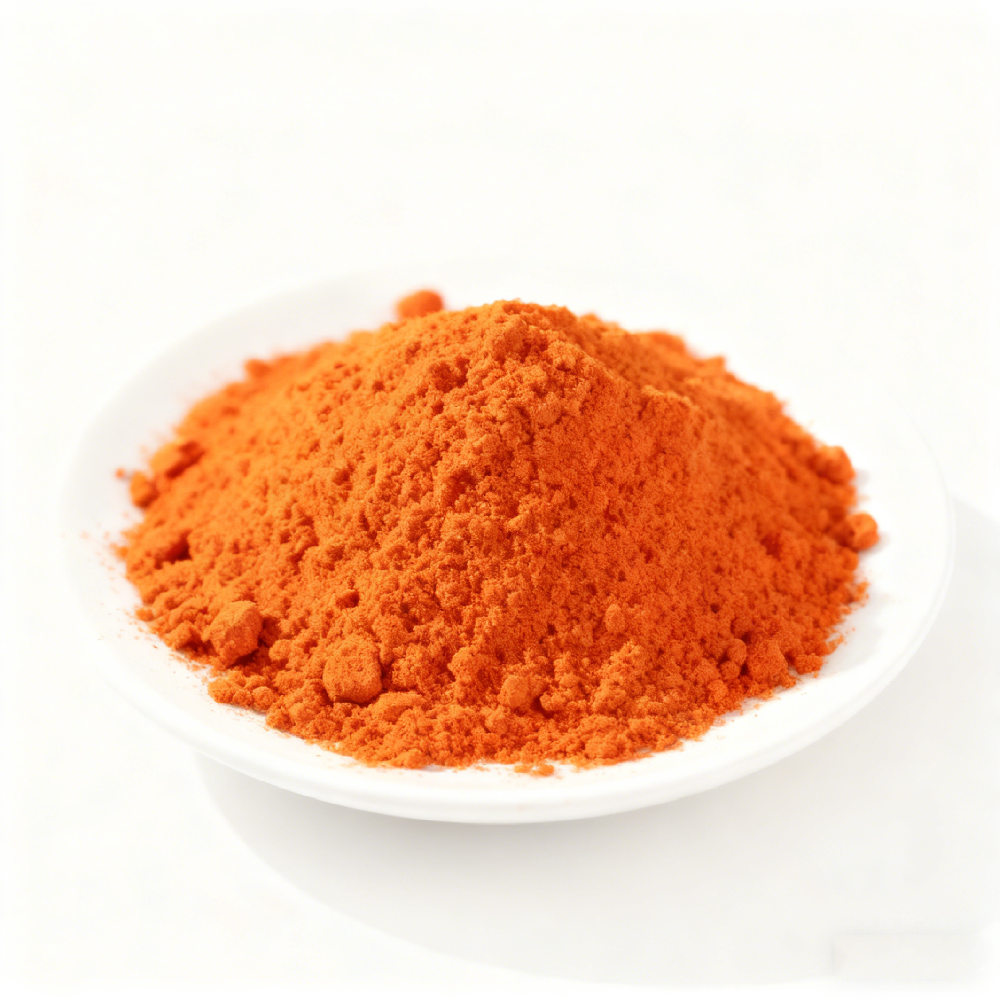
Beta-carotene powder

Carotene content: 1%-10%pH range:3.0-10.0Feature:1,pure plan···
View details >>

Jelly powder

The jelly looks glittering and translucent, the color is bri···
View details >>

Natural clouding agent powder

The function of natural clouding agent is to make the transp···
View details >>

Milk falvor powder

Milk flavor powder is a series of flavor improves ···
View details >>

Orange sac/orange pulp

Citrus granules can be inhaled, and the pulp can be seen, al···
View details >>

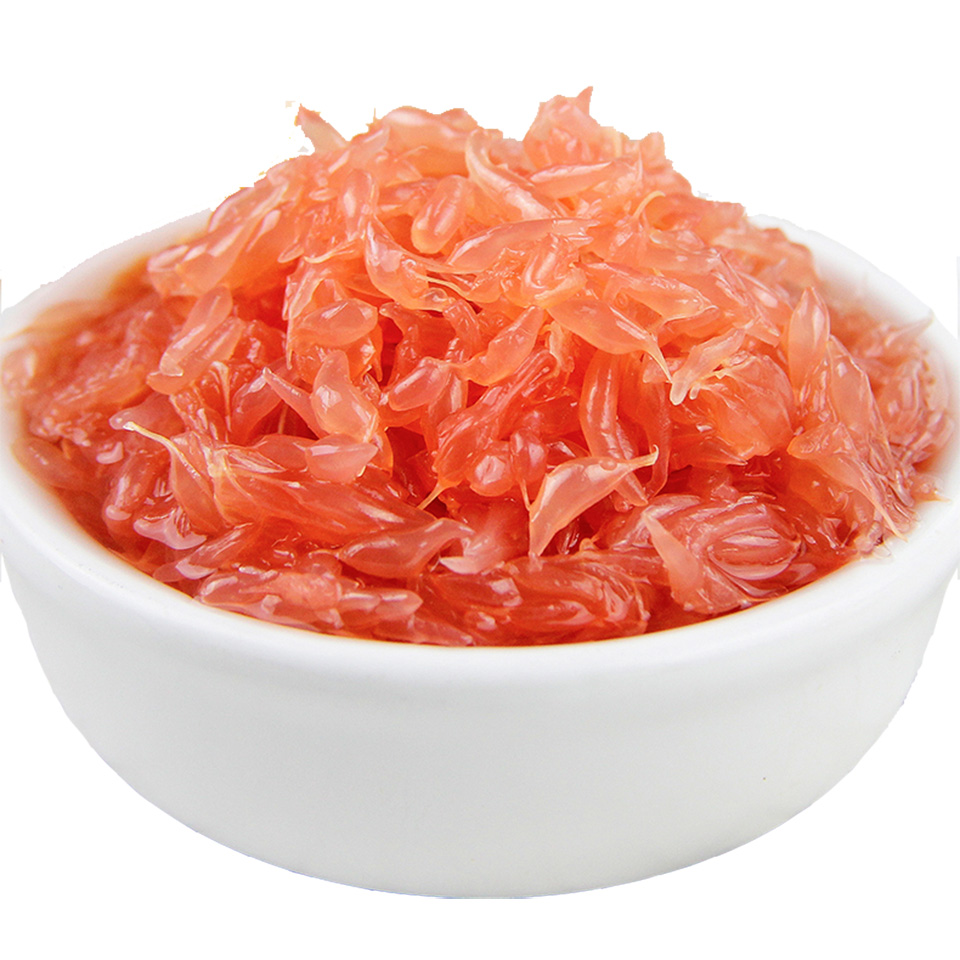
Pomelo sac/pomelo pulp

The soul ornament of sweet dew of poplar branch can be paire···
View details >>

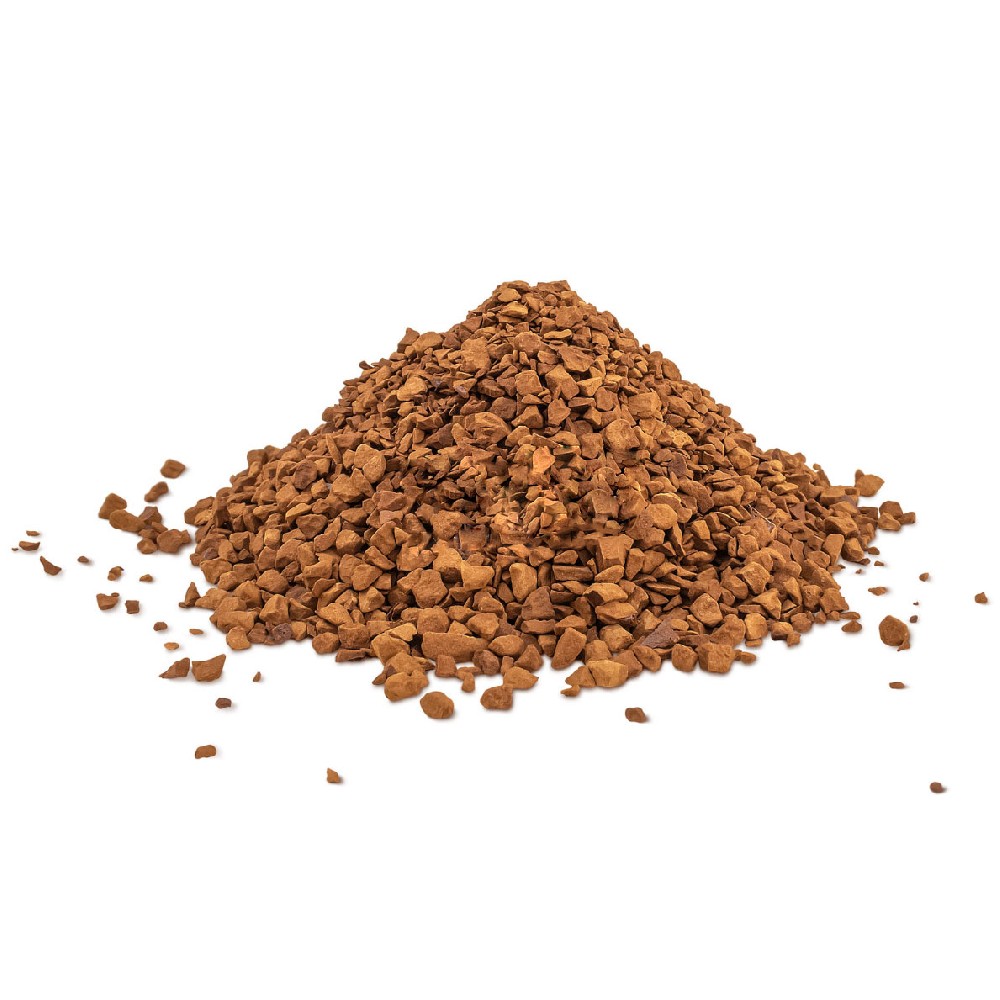
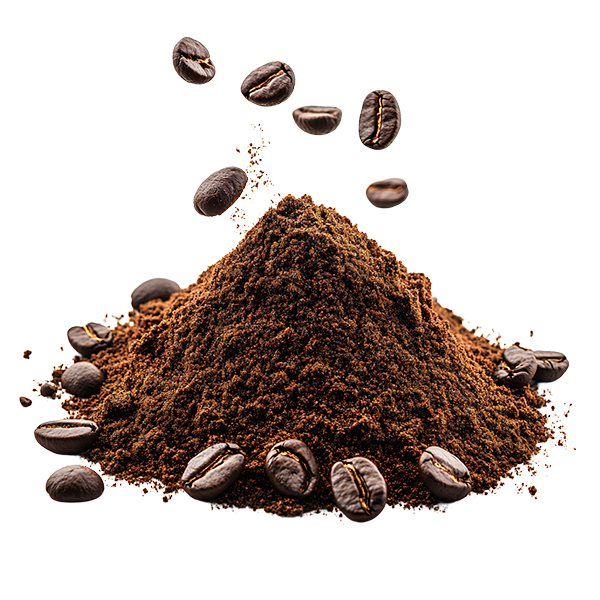
Instant coffee powder

The world's coffee beans are divided into two main varie···
View details >>

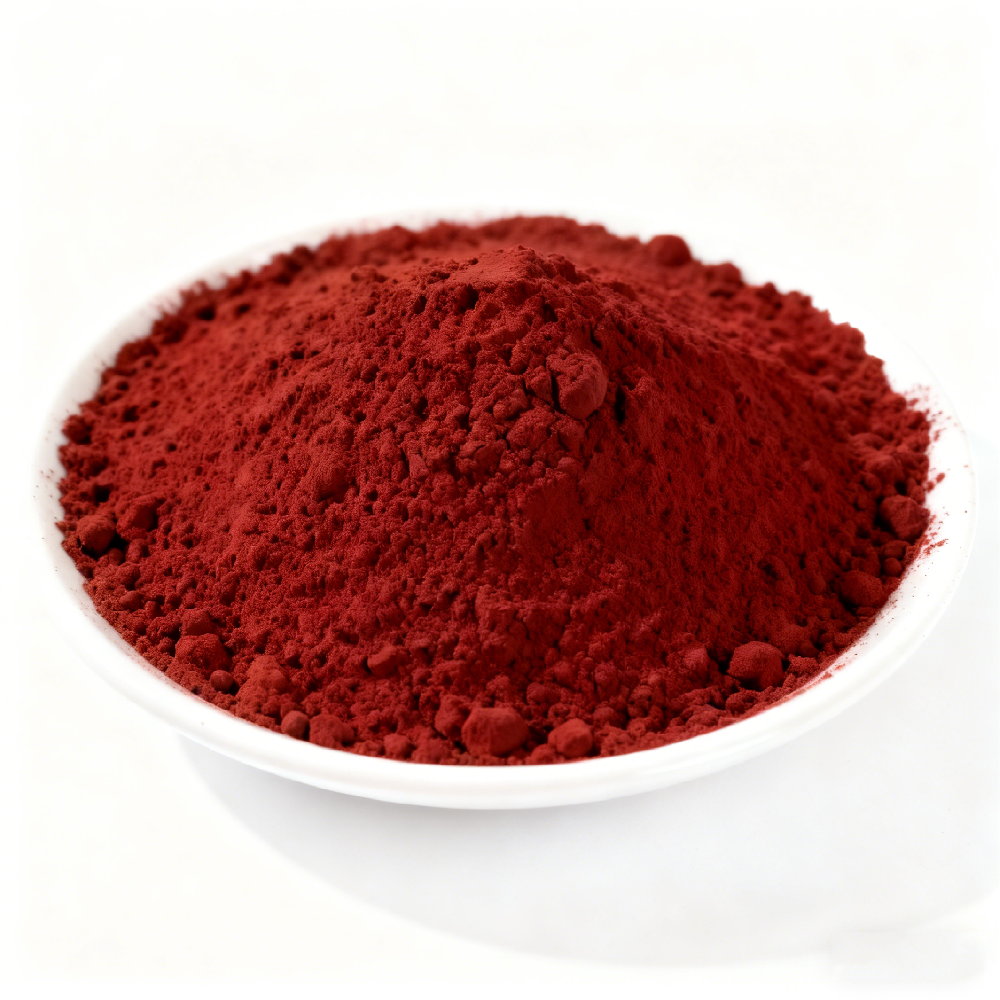
Cocoa reddish color

Cocoa reddish color is a natural food pigment, solule in wat···
View details >>

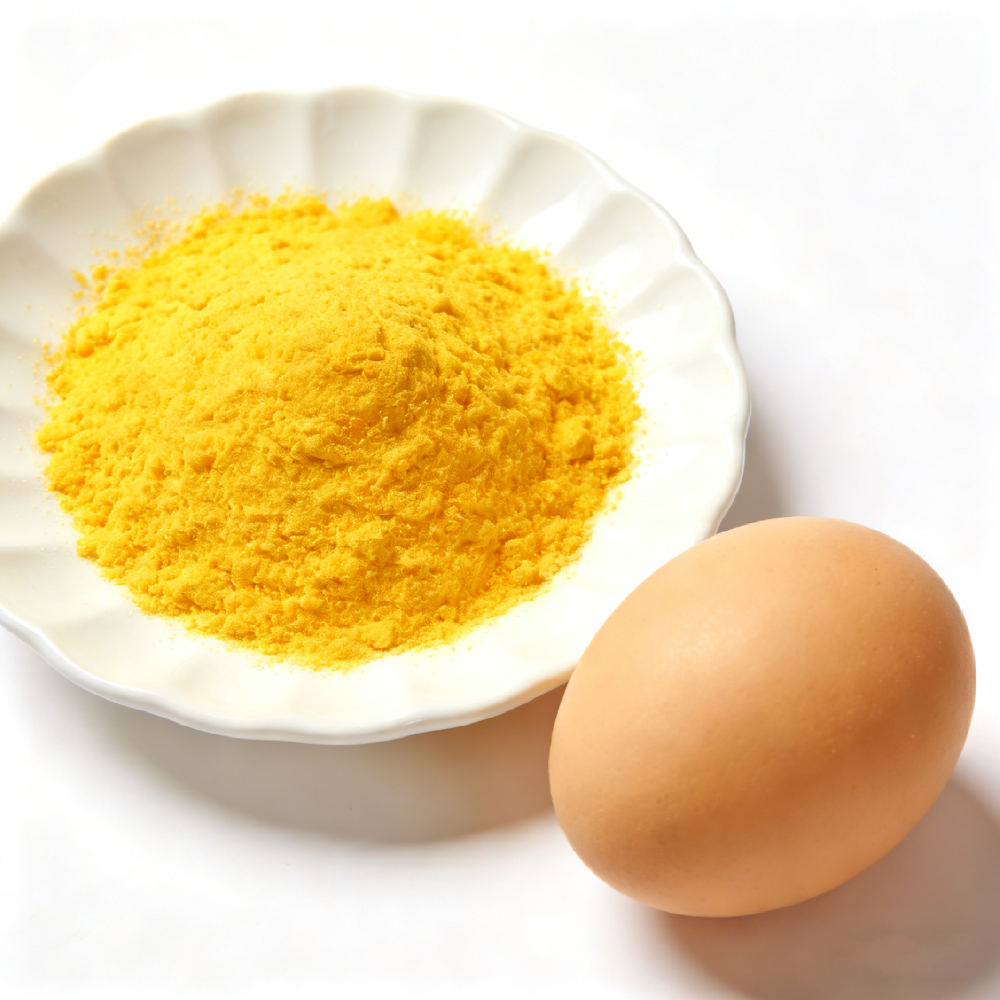
Egg yolk powder/ Egg white powder/ Whole egg powder

Egg powder is made from fresh eggs after cleaning, cracking,···
View details >>

Whipping cream powder

The whipping cream powder has good shape, rich milk foam, st···
View details >>

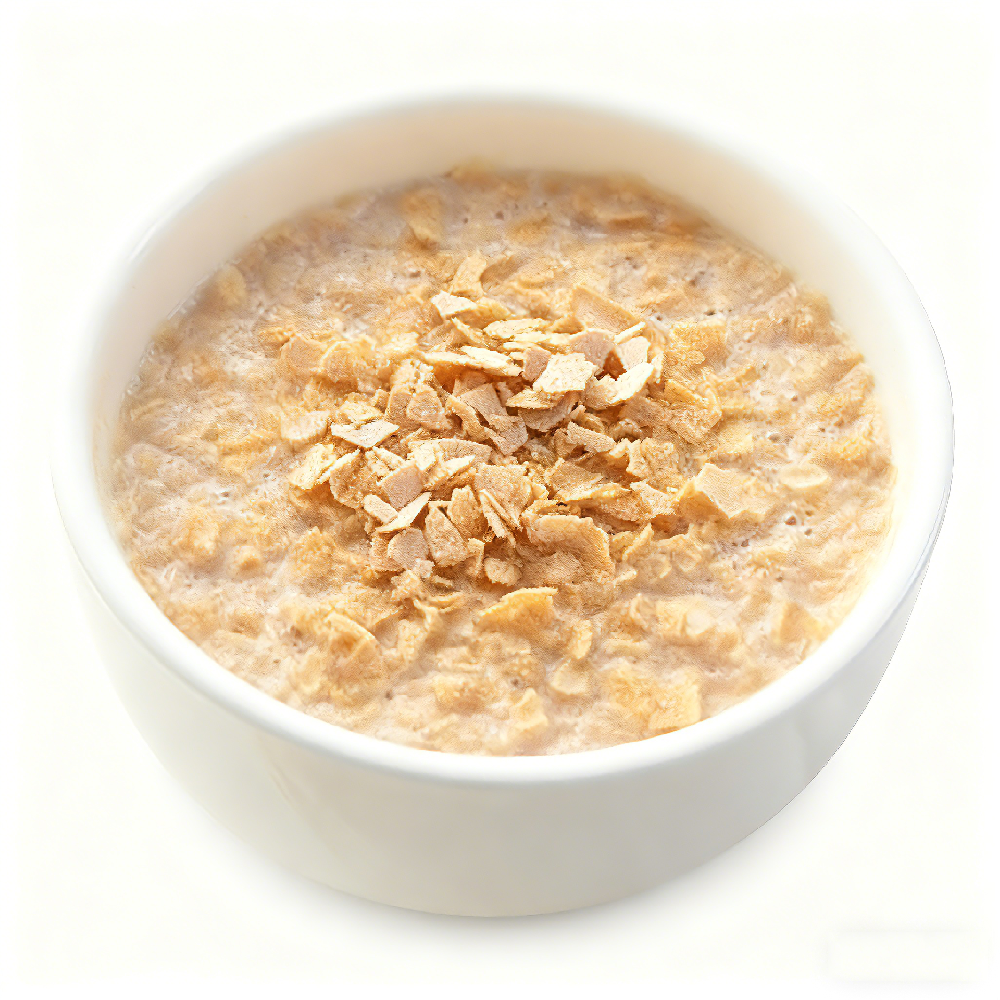
Non dairy creamer for Cereal and Solid Drinks

Non dairy cream also known as vegetable fat powder, milk rep···
View details >>

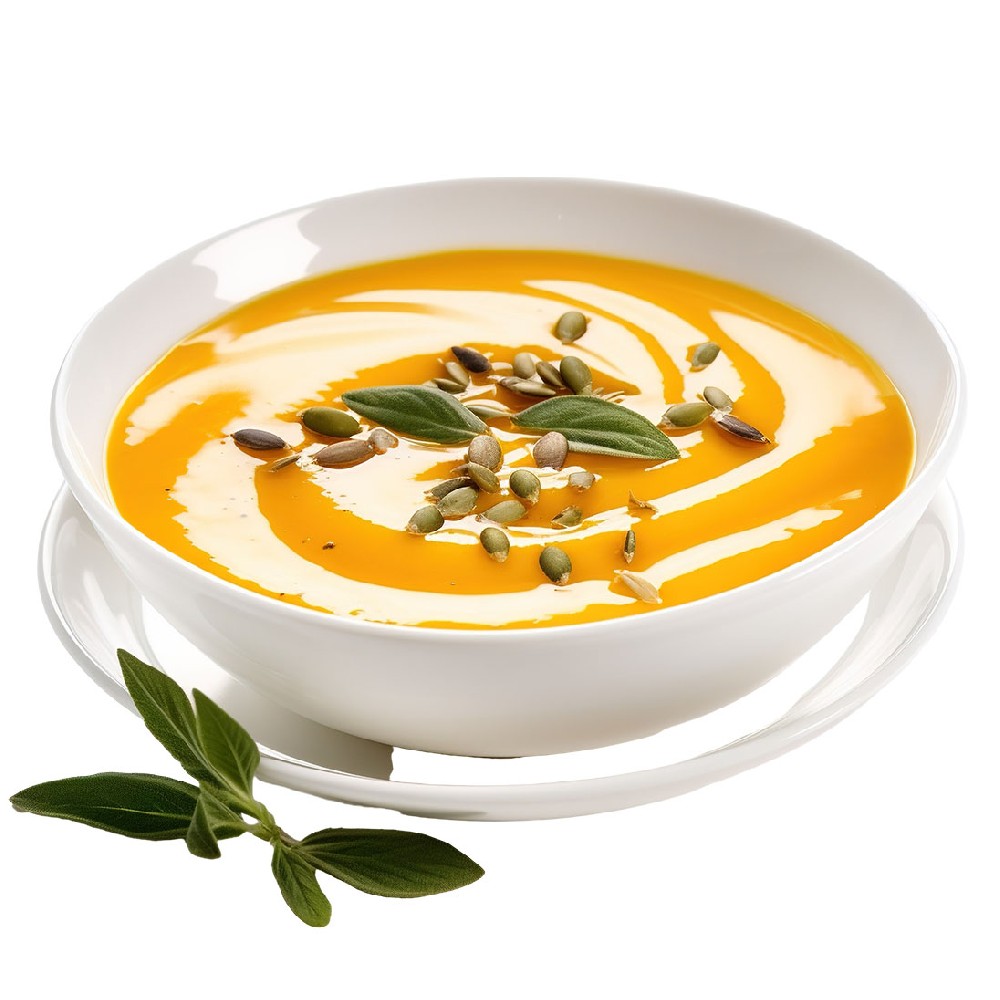
Non dairy creamer for Seasoning and Soup

Non dairy cream also known as vegetable fat powder, milk rep···
View details >>

NEWS

Heng Goodwill ,A world-renowned non-dairy creamer supplier

12
2026-08
How Spray Drying Shapes the Flavor of Instant Coffee Powder
Instant coffee is one of the world's most traded food commodities, and behind every cup lies a process that decides whether the flavor sings or falls flat: spray drying.The flavor challengeCoffee contains hundreds of volatile aromatic compounds that are easily damaged by heat, oxygen, and moisture. The key challenge for any instant coffee manufacturer is to remove water from liquid coffee extract while preserving as much of the original flavor profile as possible. Spray drying does this by design — it converts liquid coffee concentrate into a dry, shelf-stable powder in seconds, minimizing the duration of heat exposure.How spray drying works for coffeeIn a spray-drying tower, liquid coffee concentrate is atomized into a mist of fine droplets that make contact with a controlled stream of hot air. The massive surface area of the droplets enables moisture to evaporate almost instantly, while the core temperature of each particle stays well below the air temperature due to evaporative cooling. This is the magic — the powder does not "cook" the way it would in a slower drying method, so fragile coffee aromas survive.A useful analogy: spray drying is a flash of heat, not a slow roast. That distinction matters for flavor.What influences the final tasteSeveral process variables directly affect the sensory quality of instant coffee powder:- Feed concentration and solids content — too thin means longer drying, too thick affects solubility- Inlet and outlet air temperatures — must be balanced to protect volatiles while achieving target moisture- Atomizer type and speed — determines particle size distribution, which influences dissolution behavior and mouthfeel- Post-drying handling — cooling, agglomeration (if required), and packaging with inert gas flushing or vacuum sealing to prevent oxidationNone of these are one-size-fits-all. A serious manufacturer adjusts parameters to match the coffee variety and the customer's desired cup profile.Why it matters to buyersFor importers and brand owners, the spray-drying capability of your supplier is not just a technical detail — it is the difference between coffee that tastes like coffee and coffee that tastes like burnt cardboard. When evaluating suppliers, ask about their process control, how they handle flavor-sensitive raw materials, and whether they can share samples that match what you would receive at scale.At HENG GOODWILL FOOD, spray drying is our core competency, backed by ISO 22000, HACCP, and HALAL certifications. If you are sourcing instant coffee powder, we welcome your questions about process and samples.Wetsite: www.hengfoood.com
19
2026-08
Choosing the Right Non-Dairy Creamer for Milk Tea, Coffee, and Bakery: A Buyer's Guide
Non-dairy creamer is one of the most widely used spray-dried ingredients in the world, but "creamer" is not a single product. The same powder that makes a bubble tea taste rich can be the wrong choice for a coffee brand or a bakery line. Understanding the application first is the key to sourcing the right specification.Why application mattersNon-dairy creamer is formulated to deliver three things: a milky appearance, a creamy mouthfeel, and emulsion stability. How these properties are balanced depends entirely on where the powder will be used. A creamer optimized for hot coffee may behave differently in an acidic fruit tea or a high-sugar bakery mix. Before you ask a supplier for a quote, define your application — beverage, bakery, dessert, or confectionery — and the conditions it will face, such as acidity, heat, or freezing.Key properties to discussWhen evaluating a non-dairy creamer, focus on a handful of practical properties:- Solubility and dispersibility — does it dissolve quickly in hot or cold liquid without lumping?- Whitening power — how effectively it turns a beverage opaque and milk-like- Emulsion stability — whether it stays uniform in acidic or high-temperature conditions without separating or floating- Mouthfeel — the creaminess and body it contributes, which varies with fat level and formulation- Shelf life and storage — how it holds up in warm, humid climates during sea transportRather than a single "fat content" number, a competent supplier will discuss the full formulation and match it to your target cup or product profile.Common application scenarioIn bubble tea and milk tea, creamer provides the rich, silky base that balances the tea's astringency. In coffee, it softens acidity and bitterness while adding a clean whitening effect. In bakery, creamer contributes moisture retention, tenderness, and a mild dairy note to breads, cakes, and biscuits. Each scenario may call for a different grade, particle profile, or fat source — such as coconut-oil-based options for a clean-label or plant-based position.How to shortlist suppliersStart with application fit, not price. Ask for samples matched to your actual use case, a full specification sheet, and confirmation of certifications relevant to your market — ISO 22000 and HACCP for food safety, plus HALAL certification (such as IFANCA and MUI) for Muslim-majority destinations. A factory that controls its own spray-drying line can adjust the formulation to your needs, which is a major advantage when you are building a proprietary recipe.At Jiangsu Leiva Biotech, non-dairy creamer is produced in our own spray-drying facility under ISO 22000, HACCP, IFANCA HALAL, and MUI HALAL certifications. Tell us your application, and we will recommend a matching specification and provide samples for your evaluation.Website: www.hengfood.com
14
2026-08
What Is Fat-Filled Milk Powder? A Practical Introduction for Food and Beverage Buyers
Walk through any African market, Middle Eastern grocery store, or Southeast Asian beverage factory, and you will likely encounter one ingredient that quietly powers a huge range of products: fat-filled milk powder, often shortened to FFMP. If you are new to sourcing dairy-based ingredients, FFMP deserves a closer look.What FFMP actually isFat-filled milk powder is a spray-dried blend of milk protein (typically skim milk powder or whey protein concentrate) and refined vegetable fat (commonly palm or coconut). The vegetable fat replaces part of the butterfat that would be present in whole milk powder. The result is a powder that behaves much like milk powder in recipes but costs significantly less — usually 30% to 50% below whole milk powder on a per-tonne basis.Why manufacturers choose FFMPThree reasons dominate buyer decisions:1. Cost control—for price-sensitive markets, FFMP delivers milk-like functionality at a manageable cost.2. Shelf stability — properly packaged FFMP can store for 12 to 24 months without refrigeration, which matters for long sea voyages and warm-climate destinations.3. Functional flexibility — depending on protein and fat levels, FFMP can be tuned for beverages, bakery, confectionery, dairy drinks, and even seasoning bases.The protein range mattersFFMP is typically classified by protein content. Common commercial grades span from low (around 5%) to high (around 24%), with each grade suited to a different use:- Lower protein grades work well in confections, beverage whitener bases, and seasoning powders where a mild milky note is enough.- Mid-range grades (10% to 18%) are versatile — they fit bakery, dairy drinks, and recombined liquid milk production.- Higher protein grades (closer to 24%) approach the territory of skim milk powder, useful when a stronger dairy flavor is required without crossing into premium whole milk powder pricing.When discussing with a supplier, always confirm the exact protein level you need, because the same product name can hide very different specifications across factories.Where it fits in a product lineIn our product range, FFMP is a cross-application workhorse — it appears across solid beverages, liquid beverages, dairy products, confectionery, bakery, soups and seasonings, and health-food formulations. That breadth is intentional: a single ingredient can serve multiple SKUs in your portfolio, simplifying procurement and QC.How to evaluate FFMP qualityBefore signing with a supplier, ask for:- A full specification sheet covering protein, fat, moisture, solubility index, and microbiological limits- Sample batches from actual production (not pre-shipment showpieces)- References from buyers in your target market- Halal and food-safety certifications relevant to your destinationNote: Specifications are for reference based on our standard product range. Final parameters are confirmed at the time of order per buyer's requirements.website: www.hengfood.com