Release time:2026-08-19
Non-dairy creamer is one of the most widely used spray-dried ingredients in the world, but "creamer" is not a single product. The same powder that makes a bubble tea taste rich can be the wrong choice for a coffee brand or a bakery line. Understanding the application first is the key to sourcing the right specification.
Why application matters
Non-dairy creamer is formulated to deliver three things: a milky appearance, a creamy mouthfeel, and emulsion stability. How these properties are balanced depends entirely on where the powder will be used. A creamer optimized for hot coffee may behave differently in an acidic fruit tea or a high-sugar bakery mix. Before you ask a supplier for a quote, define your application — beverage, bakery, dessert, or confectionery — and the conditions it will face, such as acidity, heat, or freezing.
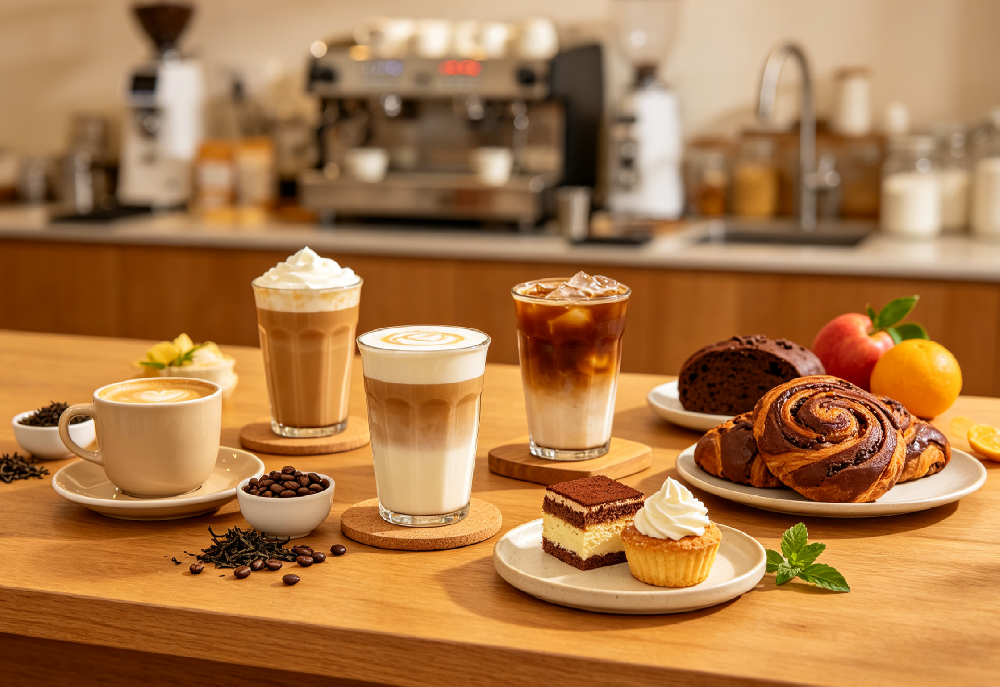
Key properties to discuss
When evaluating a non-dairy creamer, focus on a handful of practical properties:
- Solubility and dispersibility — does it dissolve quickly in hot or cold liquid without lumping?
- Whitening power — how effectively it turns a beverage opaque and milk-like
- Emulsion stability — whether it stays uniform in acidic or high-temperature conditions without separating or floating
- Mouthfeel — the creaminess and body it contributes, which varies with fat level and formulation
- Shelf life and storage — how it holds up in warm, humid climates during sea transport
Rather than a single "fat content" number, a competent supplier will discuss the full formulation and match it to your target cup or product profile.
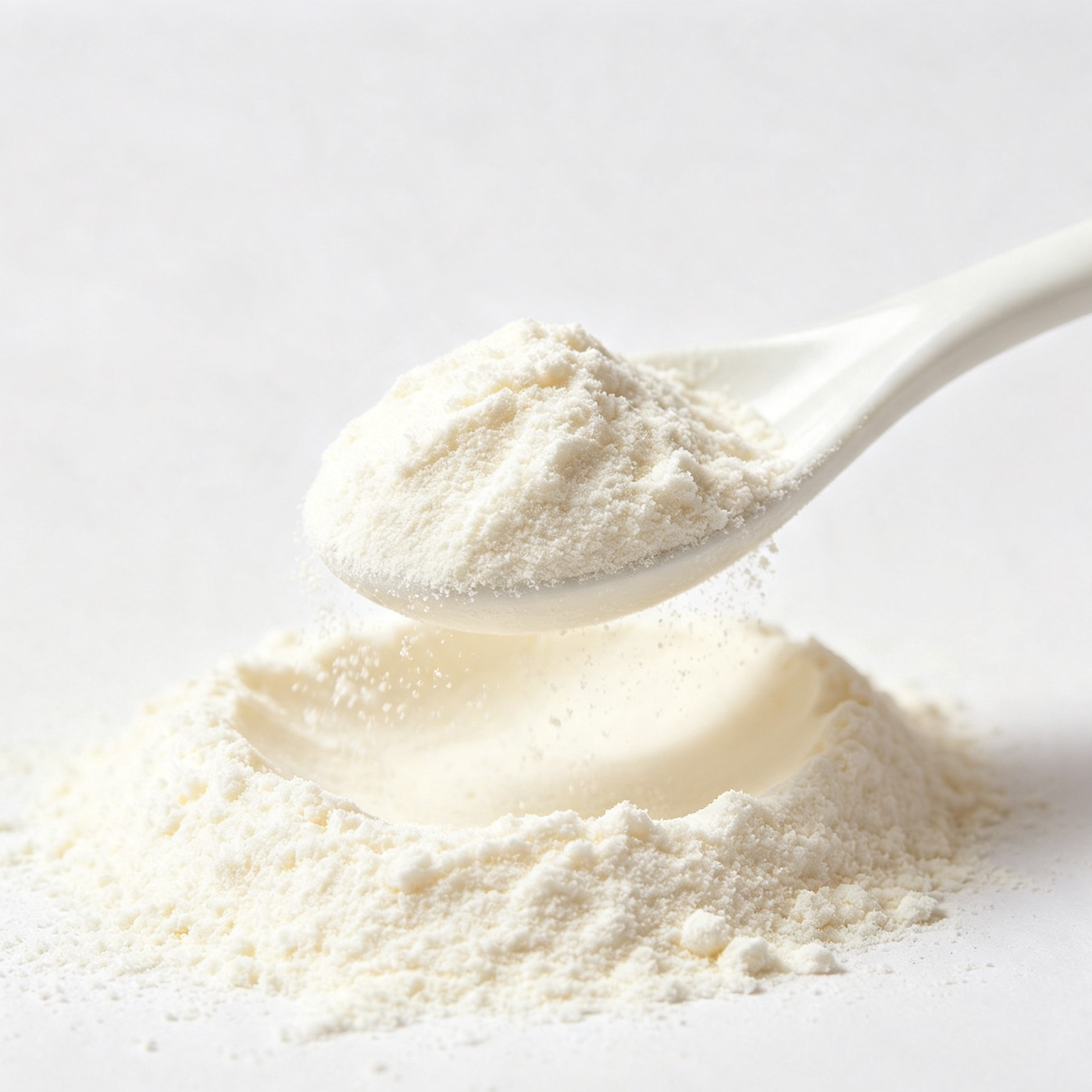
Common application scenario
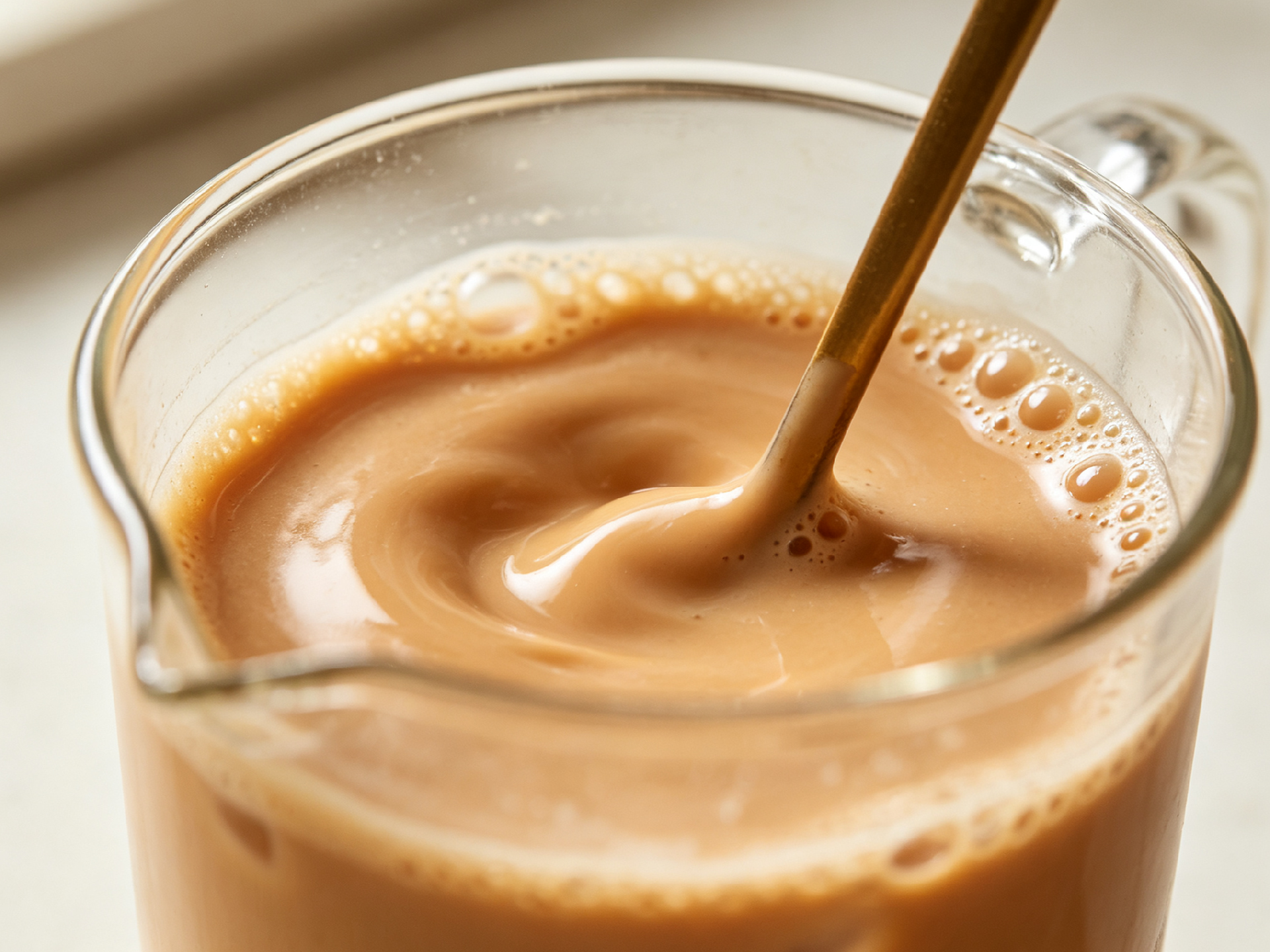
In bubble tea and milk tea, creamer provides the rich, silky base that balances the tea's astringency. In coffee, it softens acidity and bitterness while adding a clean whitening effect. In bakery, creamer contributes moisture retention, tenderness, and a mild dairy note to breads, cakes, and biscuits. Each scenario may call for a different grade, particle profile, or fat source — such as coconut-oil-based options for a clean-label or plant-based position.
How to shortlist suppliers
Start with application fit, not price. Ask for samples matched to your actual use case, a full specification sheet, and confirmation of certifications relevant to your market — ISO 22000 and HACCP for food safety, plus HALAL certification (such as IFANCA and MUI) for Muslim-majority destinations. A factory that controls its own spray-drying line can adjust the formulation to your needs, which is a major advantage when you are building a proprietary recipe.
At Jiangsu Leiva Biotech, non-dairy creamer is produced in our own spray-drying facility under ISO 22000, HACCP, IFANCA HALAL, and MUI HALAL certifications. Tell us your application, and we will recommend a matching specification and provide samples for your evaluation.
Website: www.hengfood.com