Release time:2026-10-20
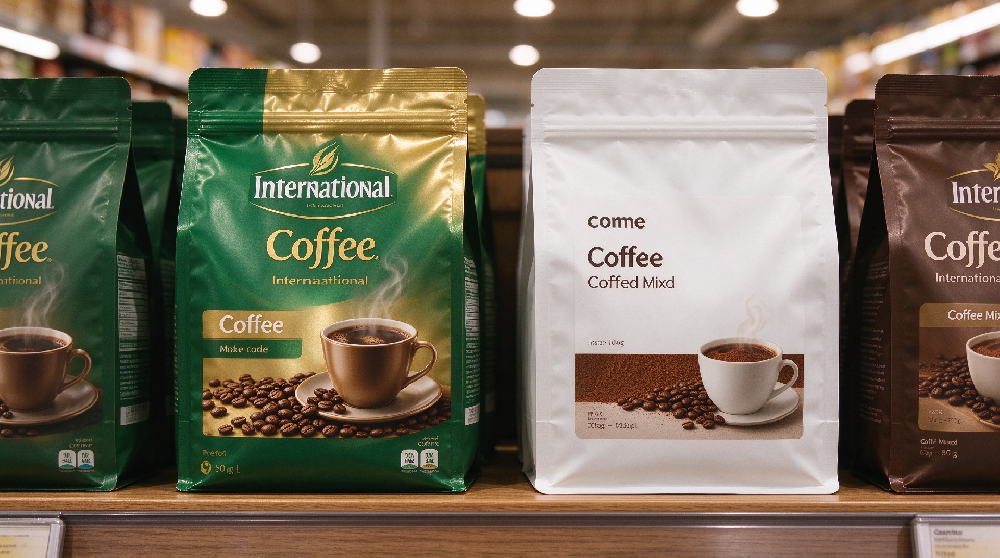
Walk into a supermarket in Jakarta, Dubai, Lagos or Lima and you will notice the same thing: next to the international coffee brands sits a store-brand version, often in a similar pack, at a noticeably lower price. Private label has moved from a marginal shelf to a strategic one — and powdered beverages are one of its fastest-moving categories.
Why retailers are pushing own-brand powders
The logic is straightforward. Coffee, creamer and instant drink mixes are high-frequency purchases with predictable demand, which makes them ideal for own-brand programmes: the retailer controls the margin instead of handing it to a brand owner, and it can build loyalty around price and pack size rather than advertising spend.
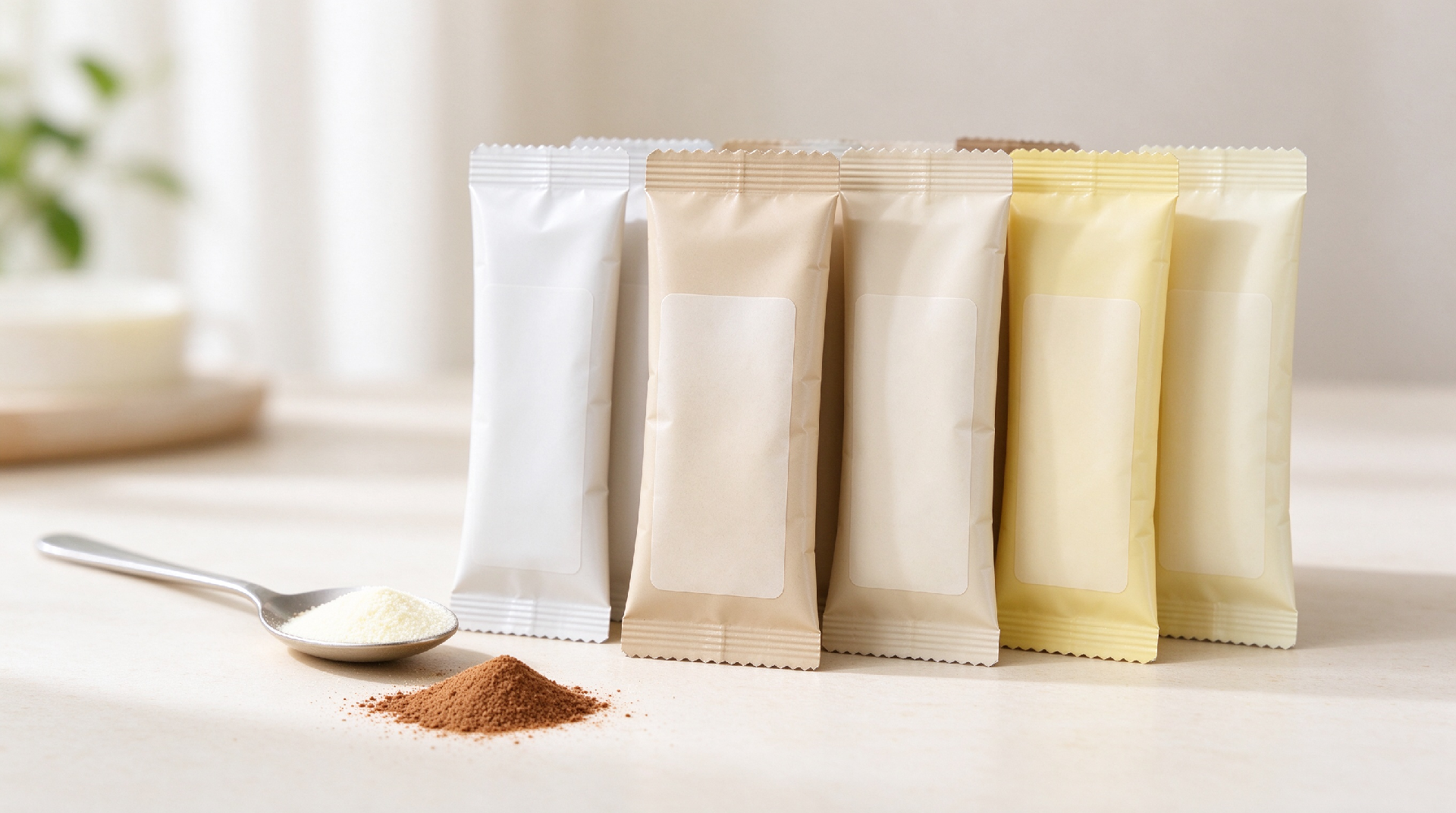
There is also a supply-side reason. Spray-dried powders are among the easier food categories to localise. A retailer does not need a factory — it needs a partner that can supply a stable base powder, then adjust flavour, sweetness, colour and packaging for its own market. That is a much shorter path to a private label SKU than, say, chilled dairy or carbonated drinks.
What this changes for ingredient suppliers
For powder manufacturers, private label shifts the conversation. Buyers are no longer only asking "what is your price per tonne". They are asking about batch-to-batch consistency, the ability to run several recipes on the same base, documentation for label declarations, and how quickly a new flavour variant can be sampled and shipped.
Consistency matters more here than in branded products. A store brand has no marketing story to fall back on — if the second batch tastes different from the first, the customer simply switches back. Retailers therefore tend to test harder at the sample stage and to audit supply continuity before committing.
Where the opportunity sits
Three segments stand out. First, instant coffee and coffee mixes, where own-brand penetration is already high in discount retail. Second, non-dairy creamer sold as a standalone household pack, especially in markets where dairy is expensive or ambient storage is the norm. Third, flavoured instant drink powders — chocolate, malt, tea-based and functional blends — where flavour rotation is frequent and pack sizes vary widely.
The Middle East, Southeast Asia, Africa and Latin America are the most active regions for this shift, largely because modern retail is expanding faster than brand loyalty is forming. In those markets, a retailer that launches a credible own-brand coffee mix can win shelf space quickly.
What buyers should look for
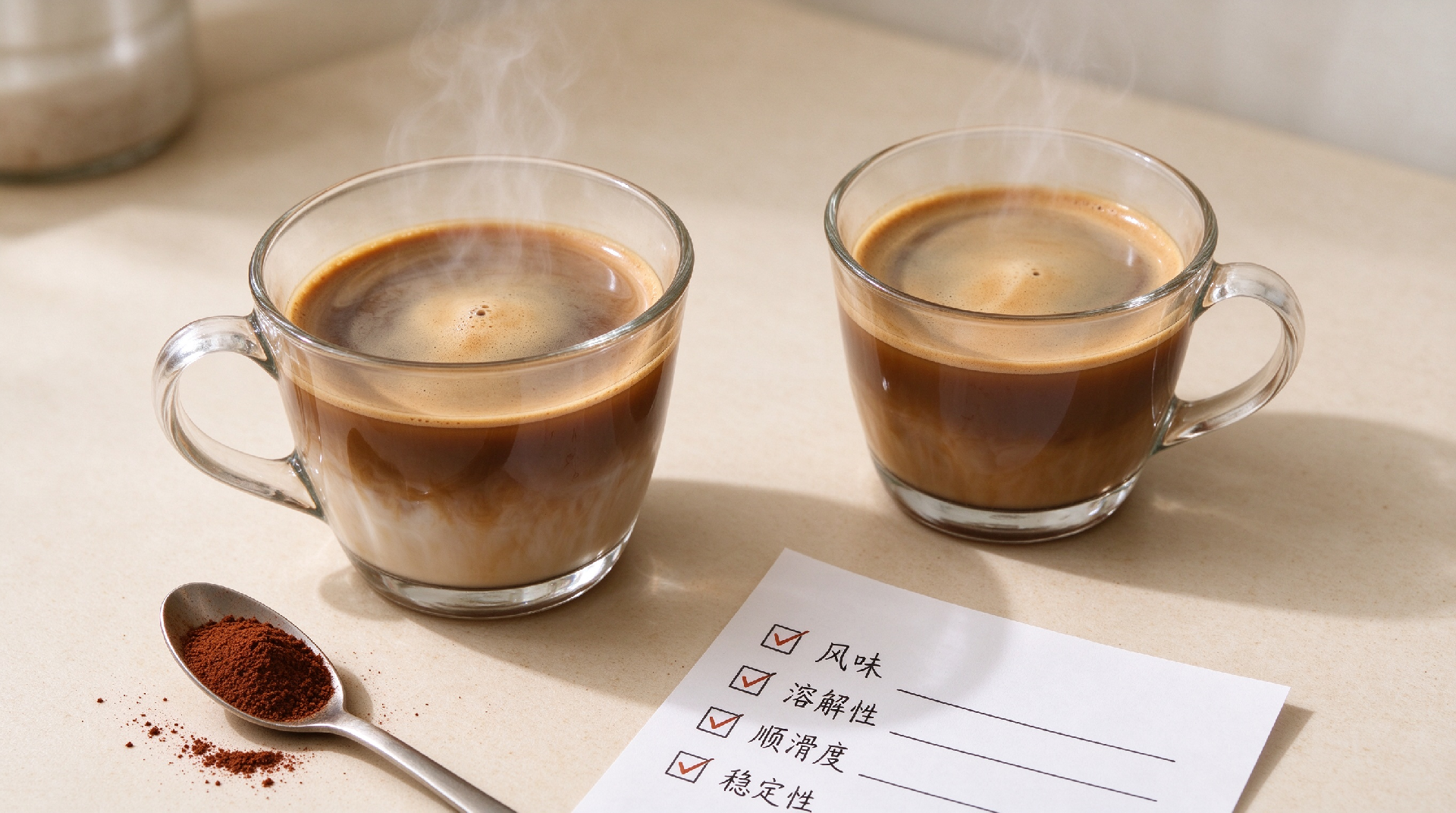
Ask suppliers three questions. Can they hold a specification across shipments, not just across samples? Can they support several SKUs from one base powder without re-tooling? And can they provide the documentation a retailer's quality team will request during onboarding?
Private label is not a cheaper version of branded business — it is a different business, with tighter tolerances and longer commitments. Suppliers who understand that difference are the ones retailers keep.
Jiangsu Leiva Biotech Co., Ltd produces spray-dried non-dairy creamer, whipping cream powder and instant coffee powder in its own factory, and supports private-label programmes with base powders, formulation adjustment and sample development. Specific values such as fat content and solubility are subject to the actual product specification sheet.
website: www.hengfood.com