Release time:2026-10-29
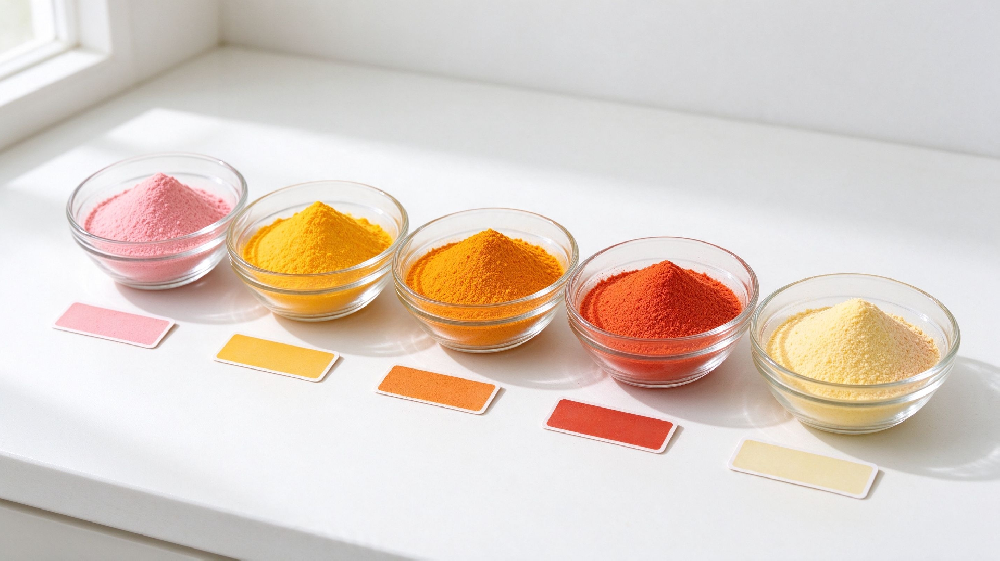
Open a bag of strawberry powder and you expect pink. Open it six months later in a warehouse in a hot climate and you may get something closer to beige. That gap — between the colour on the concept sheet and the colour in the finished drink — is where most fruit and vegetable powder projects succeed or fail.
What the powder is actually for
Buyers usually come for one of three reasons. Colour: cutting or replacing synthetic colourants while keeping a label story consumers accept. Flavour: a fruit or vegetable note that reads as real rather than as a flavour-house top note. Body: the natural sugars and fibre in fruit powders add mouthfeel that a flavour-and-sweetener system alone cannot deliver.
Tomato, pumpkin, strawberry, mango and apple cover most of the demand, and each behaves differently. Tomato and pumpkin carry colour and savoury body but bring a vegetal note that has to be either masked or embraced. Strawberry and mango are colour- and aroma-driven, and both are heat-sensitive. Apple is the quiet workhorse — mild, high in natural sugar, useful for body and acidity balance.
Where the difficulty starts
Drying is the first stress test. Heat removes water, and it also removes the volatile compounds that make fruit smell like fruit; the pigments degrade on roughly the same curve. A powder can look perfect on a spec sheet — moisture, solubility, mesh — and still lose most of its aroma within weeks.
The second problem is water activity and caking. Fruit powders are hygroscopic; in a humid climate an opened bag starts to lump within days. Packaging barrier, desiccant strategy and the choice of carrier matter more than most buyers expect.
The third is colour stability in the finished product. Ascorbic acid, light, metal ions and heat all push anthocyanins and carotenoids toward grey or brown. A pink drink that turns beige in a chilled display case is a complaint waiting to happen.
Practical formulation notes
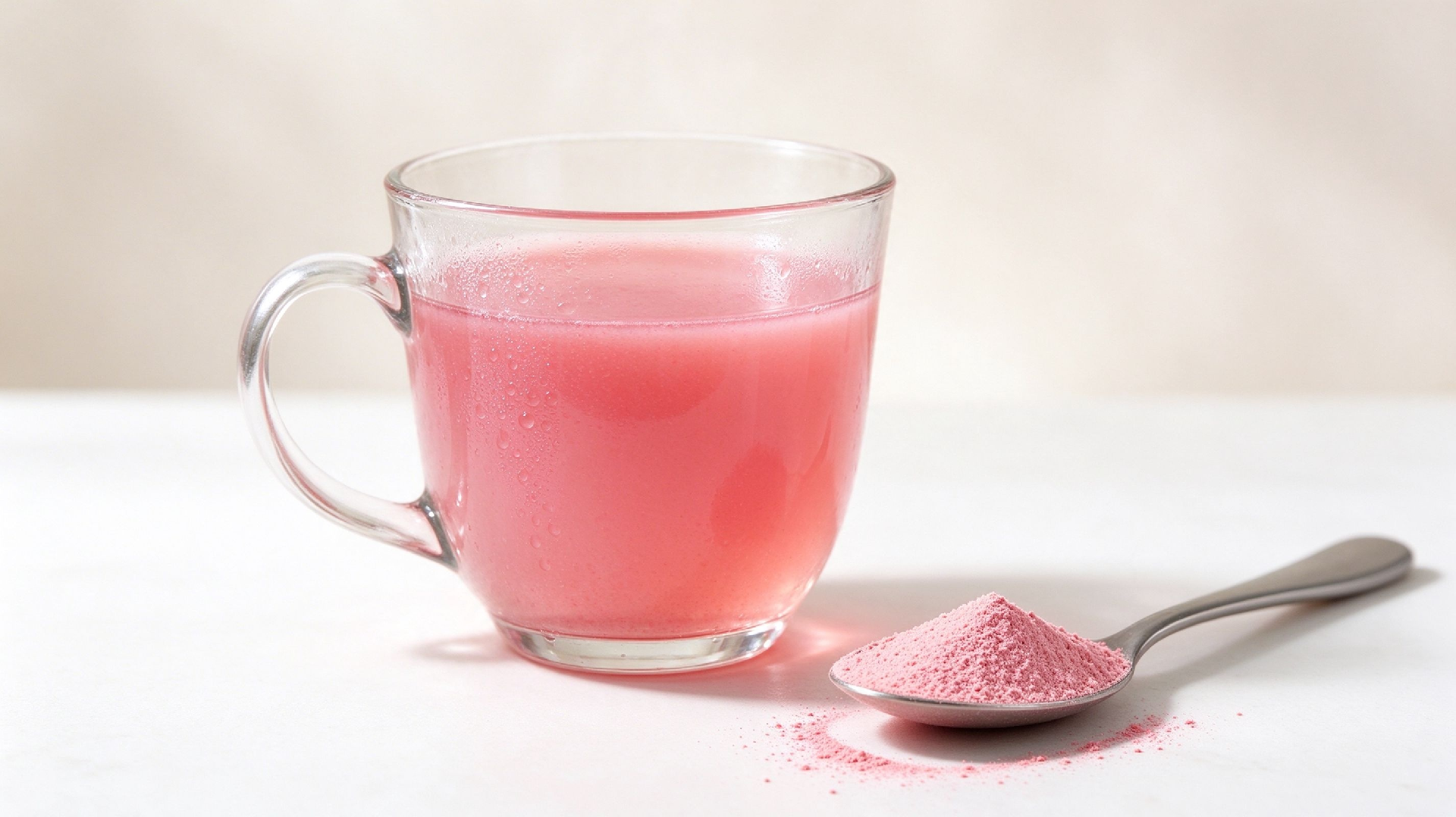
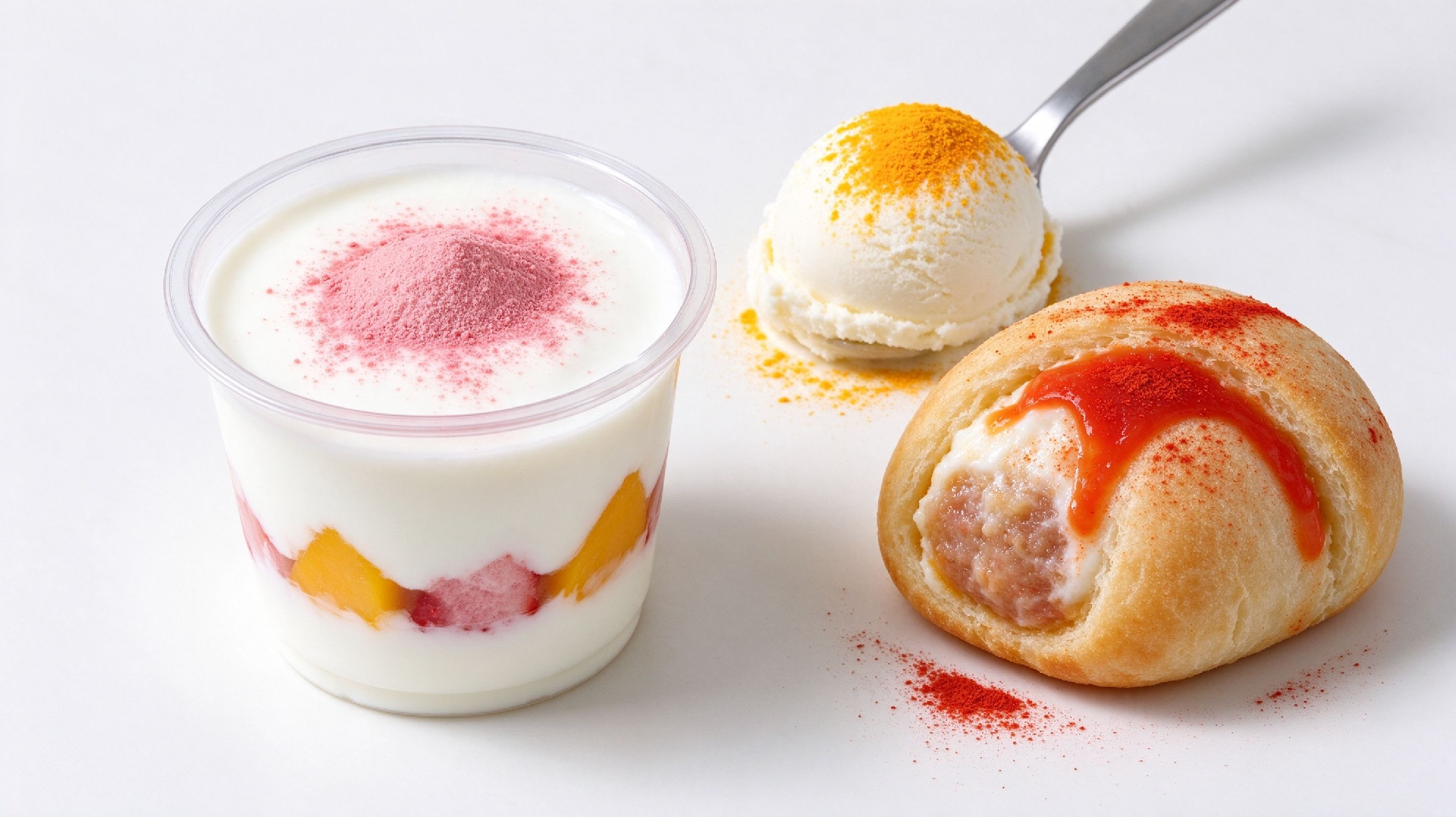
Match the powder to the application, not to the price list. Clear beverages need a powder that dissolves without haze or sediment. Opaque systems — yogurt-style drinks, ice cream, bakery fillings — tolerate more insoluble fibre and gain body from it. Instant drink mixes need cold-water dispersion, which means a different grind and a different carrier system.
Taste the powder in the final matrix, not in water. Sugar, acid and dairy or non-dairy fat all shift how a fruit note is perceived; a strawberry powder that tastes thin in water can read full and clean in a creamy base.
Then run a light-and-heat stability test on the finished product rather than on the powder alone. Thirty days at elevated temperature with light exposure tells you more than any certificate of analysis.
Jiangsu Leiva Biotech Co., Ltd supplies spray-dried fruit and vegetable powders including strawberry, tomato, pumpkin, mango and apple, alongside non-dairy creamers, whipping cream powder and cocoa powder for beverage, dairy-alternative, confectionery and bakery applications; colour value, moisture and solubility specifications are available on request.
Website: www.hengfood.com