Release time:2026-11-25
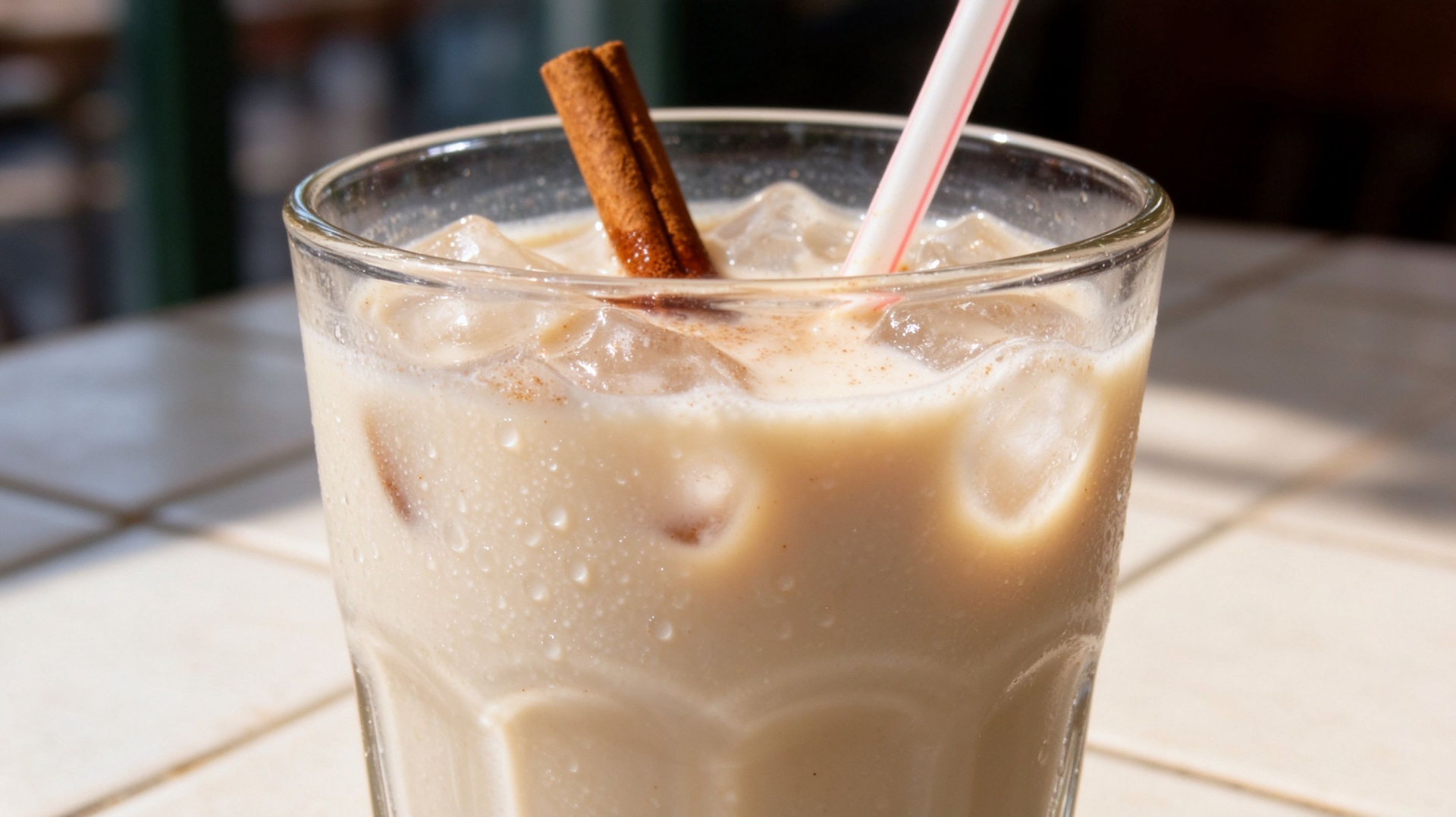
Walk into a market stall in Mexico City at seven in the morning and you will likely see a clay pot of atole simmering next to a stack of plastic cups. Atole is a thick, warm drink built on maize — masa or corn flour cooked into liquid, sweetened, often scented with cinnamon or vanilla. Add chocolate and it becomes champurrado, the drink of December posadas. Horchata, its cold cousin, is rice, cinnamon and sugar over ice.
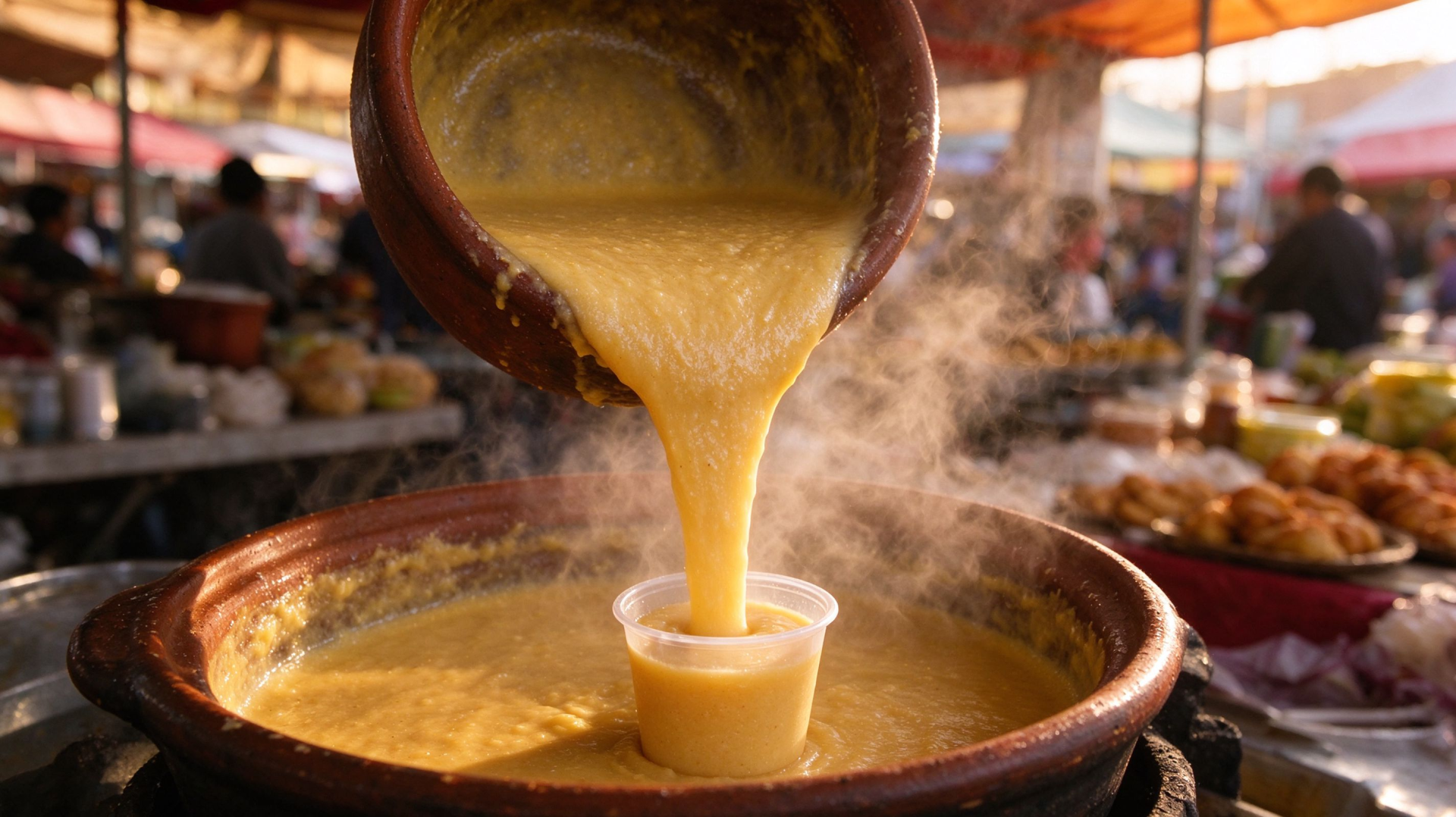
These are not niche drinks. They are daily, cheap, and sold by the cup from kiosks, street carts, small cafés and convenience stores. What is changing is how they are made. Labour in city centres is expensive, and a vendor cannot spend forty minutes stirring corn flour into hot milk before opening. Increasingly the base arrives as a powder: portioned sachets for the kiosk, 20–25 kg bags for the institutional kitchen and the bottler.
What a powdered thick drink actually demands
Formulating these drinks is harder than instant coffee. Four requirements pull against each other.
Body without gumminess. Atole should coat the tongue, not turn into wallpaper paste. Starch-based thickeners deliver body cheaply, but they gelatinise unevenly in hot liquid, form lumps, and turn gluey once the drink cools. A well-designed base combines starch with fat and protein so the viscosity feels rounded rather than slick.
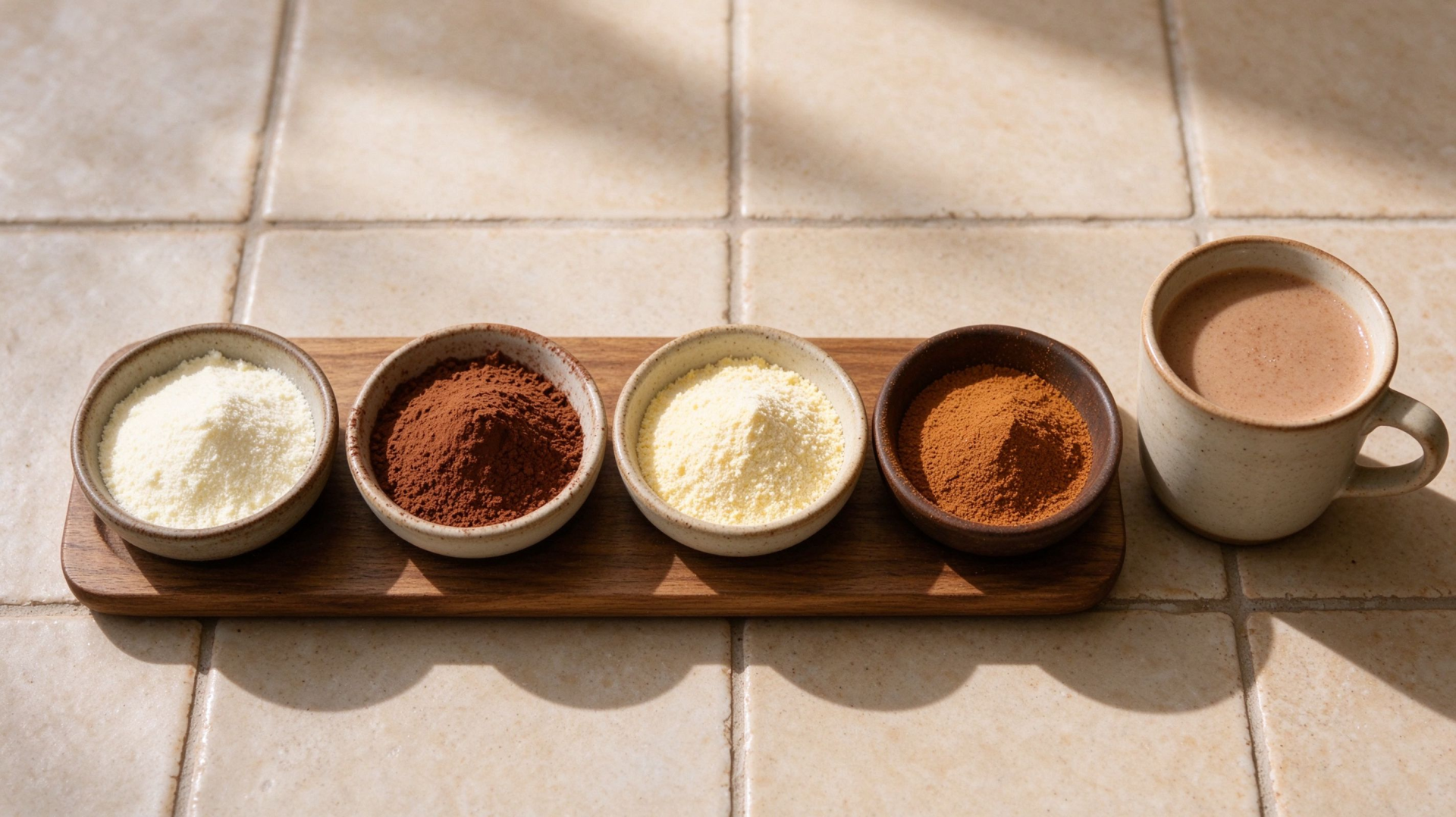
Creaminess without fresh milk. Most street vendors have no cold chain. Non-dairy creamer and fat-filled milk powder supply the fatty mouthfeel and the whitening effect that milk would otherwise contribute, from a shelf-stable bag. Fat level drives the perception of richness far more than total solids do.
Cocoa that behaves. In champurrado the cocoa is not a flavouring, it is half the identity. Natural cocoa brings acidity and a reddish-brown colour; alkalised cocoa brings a darker, smoother, more chocolate-forward cup. Choosing between them changes both taste and appearance, and the choice interacts with the starch system — high-acidity cocoa can push a starch base toward thinning during cooking.
Cinnamon and spice that survive. Ground cinnamon carries volatile oils that fade in storage and bind unevenly in a dry mix. Fine grinding helps dispersion but accelerates aroma loss — a shelf-life question as much as a flavour one.
Where the growth is
Three channels are driving the shift. Small-format retail — the corner shop and the kiosk — sells single-serve sachets at a price point that competes with a homemade batch. Food service chains want a repeatable cup, which means a fixed grammage and a fixed water line rather than a cook's judgement. And industrial bottlers of ready-to-drink atole and horchata need a base that disperses in a high-shear tank without foaming over or settling out.
Each channel wants something different. A kiosk cares about dissolving in a cup with a spoon. A bottler cares about hydration behaviour in a 2,000-litre tank and about sediment over ninety days. One powder rarely serves both.
The practical lesson
Latin America's thick drinks are not a coffee story with a different label. They are a starch-and-fat story, and the ingredient set that wins is the one that keeps texture stable from the cooking pot to the chilled bottle. Suppliers who can adjust fat level, cocoa type and dispersion behaviour independently have the advantage, because every market has its own idea of how thick "thick" should be.
Jiangsu Leiva Biotech Co., Ltd supplies non-dairy creamer, fat-filled milk powder, whipping cream powder, cocoa powder (natural and alkalised), coconut cream powder and instant coffee powder for this kind of formulation work. Specs vary by product and are confirmed against the data sheet; customised specs available on request.
Website: www.hengfood.com