Release time:2026-10-09
Confectionery is one of the quietest and most stable homes for powdered cream ingredients. While beverage applications get most of the attention, candies, coatings and fillings consume non-dairy creamer and whipping cream powder in steady volume — and for reasons that are technical, not cosmetic.
Why powder works in candy.
Confectionery is a hot, concentrated and often acidic environment. A dairy-based ingredient has to survive that: high cooking temperatures, low moisture, and a finished product that may sit on a shelf for a year. Non-dairy creamer performs well here because its fat is already emulsified and encapsulated, so it disperses evenly into a sugar mass instead of separating. It also delivers a consistent creamy body without adding dairy solids that can scorch or age badly under heat.
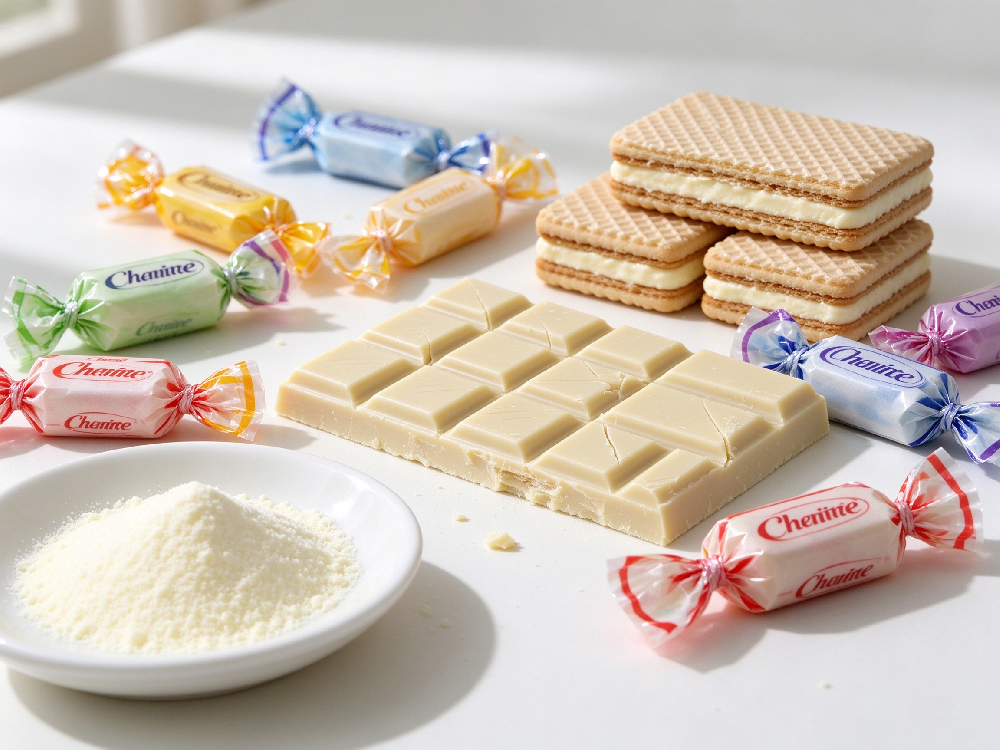
Coatings and compound chocolate.
In compound coatings and white compounds, creamer contributes creaminess and a clean dairy-style note at a controlled cost. Because the fat system is already stabilised, it blends predictably into the coating mass — which matters when a factory runs the same line day after day.
Fillings, fudge and toffees.Cream-based fillings — think wafers, sandwich biscuits and filled chocolates — depend on both body and stability. Here creamer supplies the milky mouthfeel, while the filling's own fat and starch system holds its shape. In fudge and toffee, a small amount of creamer rounds off the sweetness and adds a cooked-cream note.
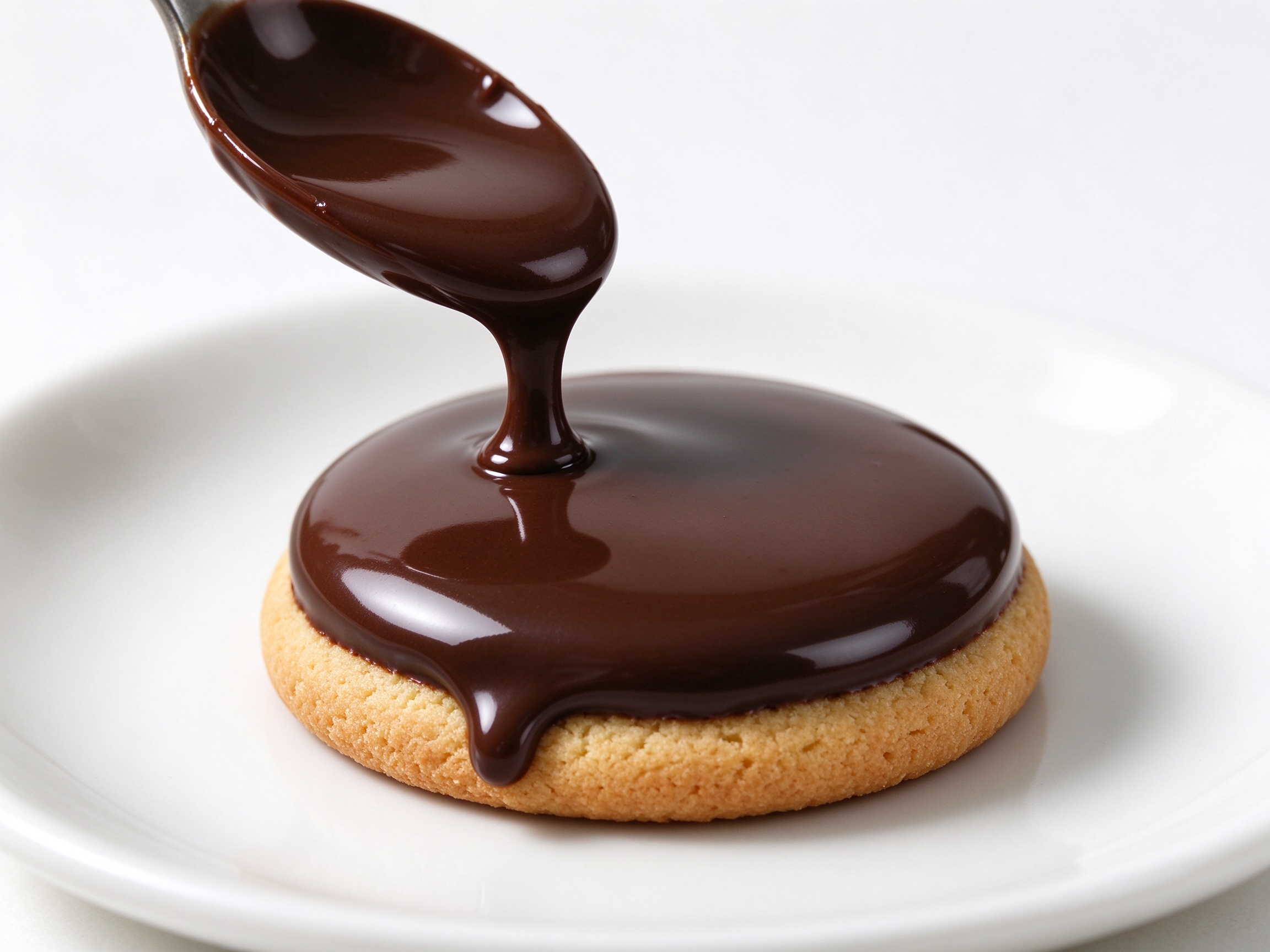
Whipping cream powder in aerated confectionery.
Where a product needs air and a light texture — marshmallow-style fillings, aerated nougat, whipped centres — whipping cream powder is the tool of choice. It hydrates and whips into a stable foam, letting manufacturers control overrun and texture without the cold-chain burden of liquid cream. That last point matters in tropical markets, where keeping liquid cream cold from factory to finished line is a real cost.
Three practical points for confectionery developers.
First, match the creamer's flavour profile to the candy base — a cooked, caramel-heavy base needs a cream note that can stand up to it. Second, watch water activity, because adding a powder changes the moisture balance of the whole system. Third, test on the real line: tempering, depositing and enrobing equipment behave differently from a laboratory bench.
From coatings to whipped centres, the appeal of powdered cream ingredients in confectionery comes down to three things: they disperse cleanly in hot, concentrated systems, they remove the cold chain, and they deliver consistent creaminess batch after batch.
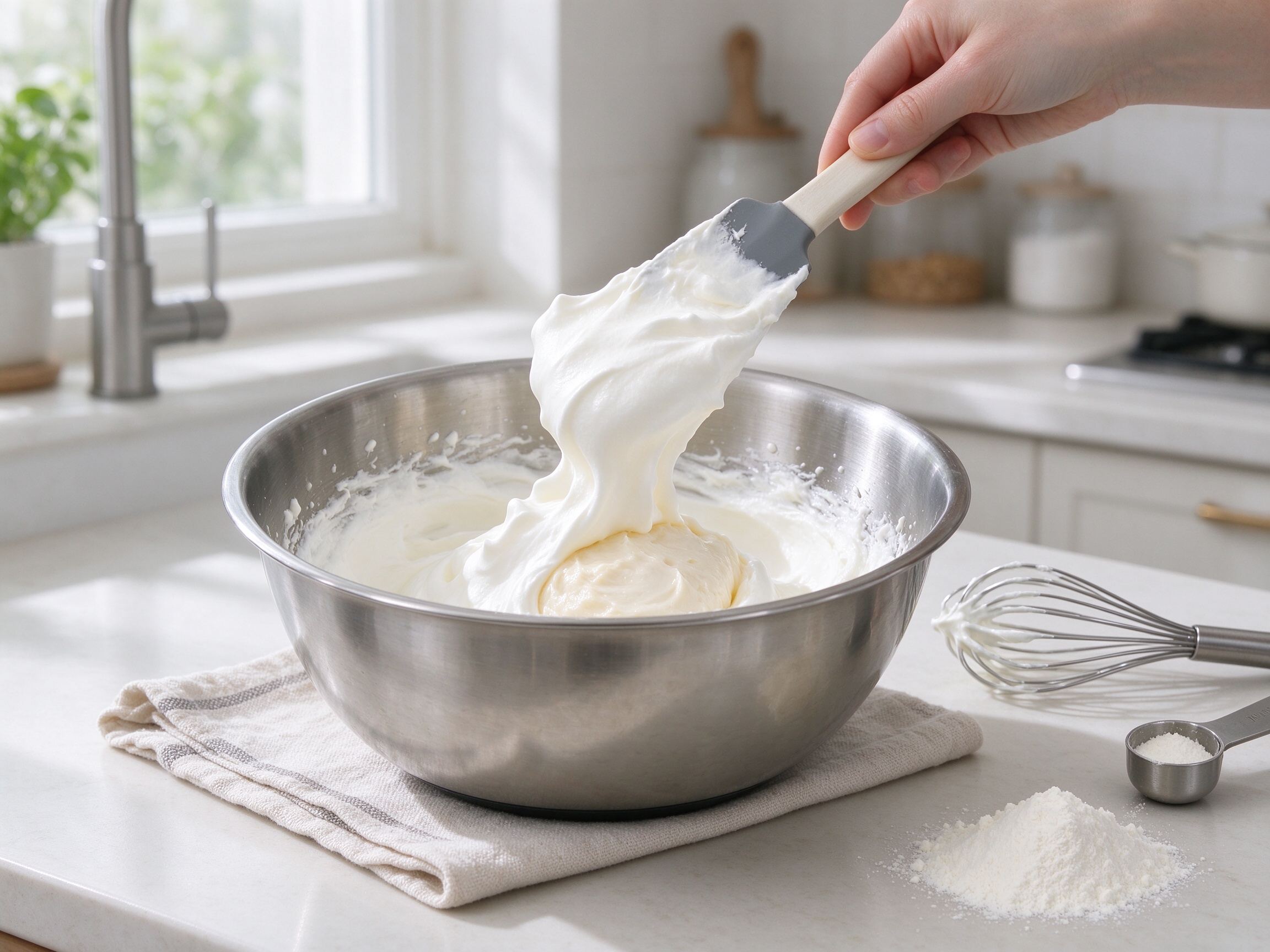
Jiangsu Leiva Biotech Co., Ltd. manufactures non-dairy creamer, whipping cream powder and instant coffee powder at its own spray-drying facility in Jiangsu, China, and supports buyers with samples and application guidance. Recommended ratios and performance vary by application — please confirm against the actual product data sheet.
Website: www.hengfood.com