Release time:2026-11-06
Plant-based creamers look interchangeable on a spec sheet and behave nothing alike in a cup. Three bases dominate the category — oat, soy and rice — and each one fails in a different way. Picking the wrong one is not a marketing problem, it is a formulation problem that shows up as sediment, thinning or an aftertaste the customer cannot fix with more sugar.
Oat: the mouthfeel winner, the stability challenge
Oat brings beta-glucan, which is what gives oat drinks their characteristic rounded, slightly creamy body. That is also the source of trouble. Beta-glucan thickens over time and is prone to settling in powdered systems, especially at higher inclusion levels. Oat-based creamers usually need a hydrocolloid system to hold viscosity stable through shelf life, and they are sensitive to the temperature profile during reconstitution — mixed into water that is too cool, they hydrate slowly and leave a grainy film on the surface.
Where oat wins clearly is coffee. The cereal note sits well against roasted flavours, and the body holds up in a hot drink better than rice does. For a café-style product, oat is usually the first base to test.
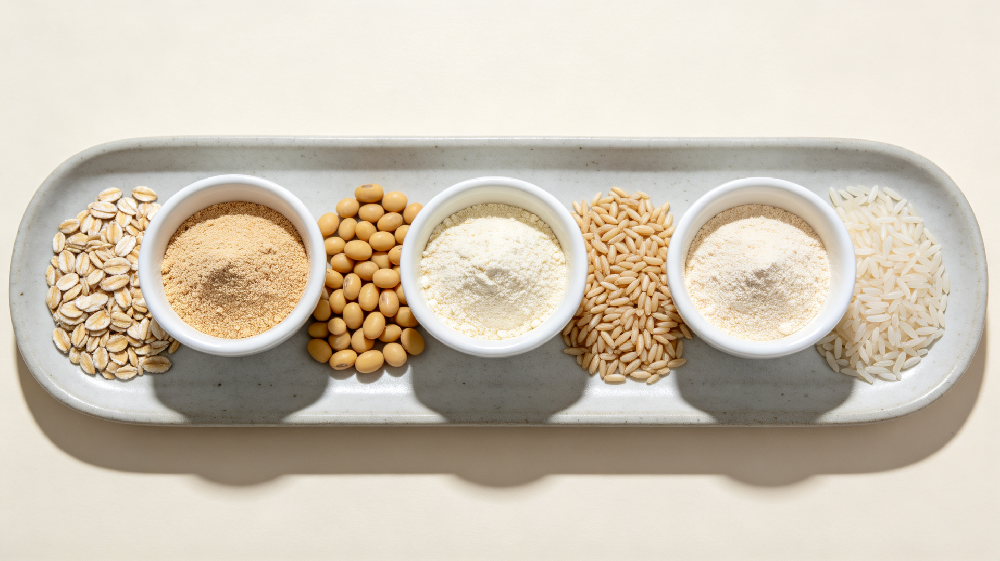
Soy: the protein workhorse
Soy offers something the other two do not — real protein, at levels that contribute both body and emulsifying capacity. That makes soy-bas
ed creamers the most robust in acidic or high-heat applications, and the most useful where the product claims protein on the label. The trade-off is flavour. Soy carries a beany, slightly green note that becomes more visible as sugar is reduced, and the protein itself is prone to thermal coagulation if the process is not controlled. Soy grades vary widely by protein content and by processing, so the specification matters more here than for the other two bases.
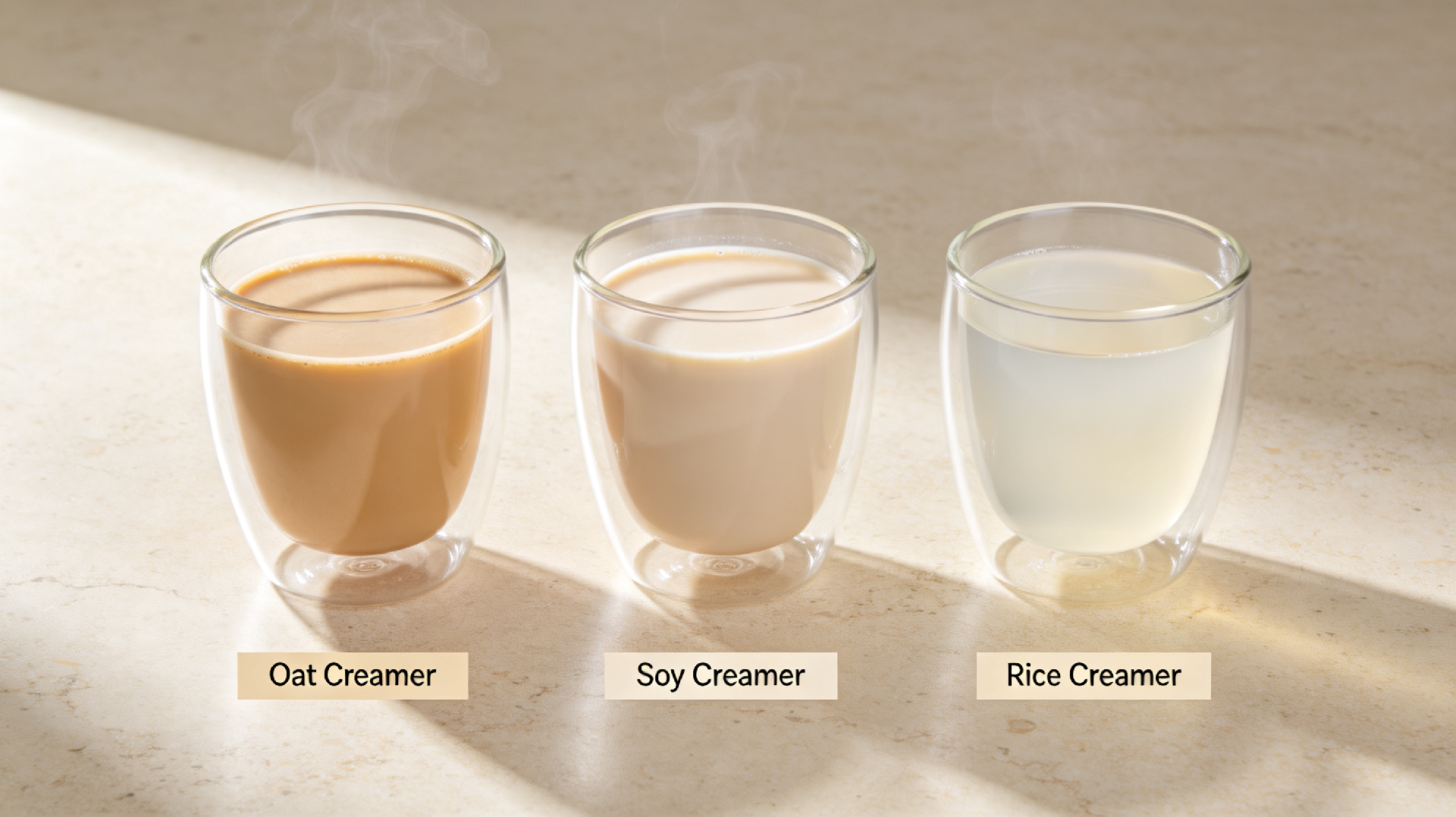
Rice: neutral, thin, and often underestimated
Rice is the quiet one. It has almost no flavour of its own, no allergen story to manage, and a clean, neutral sweetness that works well in delicate
formulations — tea-based drinks, fruit-flavoured powders, products aimed at children. What it lacks is body. A rice-based creamer on its own reads thin and watery, so it is almost always paired with added fat, a hydrocolloid, or a complementary base. Used as a blend component rather than a standalone base, rice is often the cheapest way to soften a formulation without adding flavour.
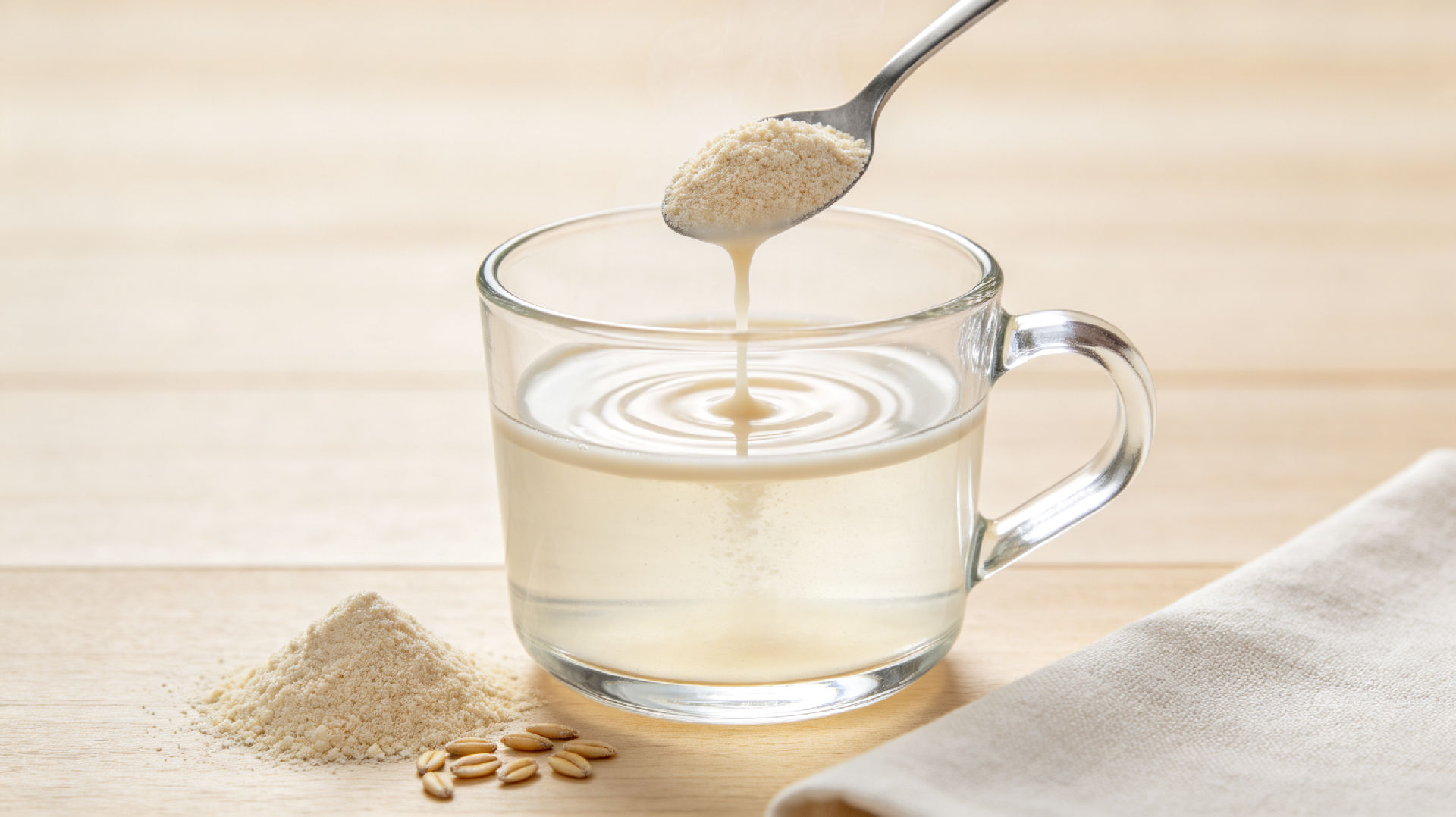
The practical selection path
Start from the application, not the ingredient. A hot coffee creamer leads to oat. A high-protein or acidic beverage leads to soy. A delicate tea or fruit drink leads to rice, usually in a blend. Then test three things before committing: reconstitution in the actual water temperature the end user will use, sediment after 24 hours at ambient, and taste at the sugar level the final product will actually carry — not the sweet prototype that hides every defect.
Jiangsu Leiva Biotech Co., Ltd produces oat, soy and rice based creamer powders alongside non-dairy creamer, whipping cream powder and Fat Filled Milk Powder, and can build blend ratios around a customer's target application. Protein content, fat level and solubility are confirmed per product data sheet; customised specifications are available on request.
Website: www.hengfood.com