Release time:2026-11-11
Malt drinks rarely appear in trend reports. There is no latte-art moment, no viral colour, no celebrity endorsement. Yet in a long list of markets the malt-based powder category keeps growing steadily, and it is one of the few segments where a single formulation serves children, adults and elderly consumers at once.
What a malt drink actually is
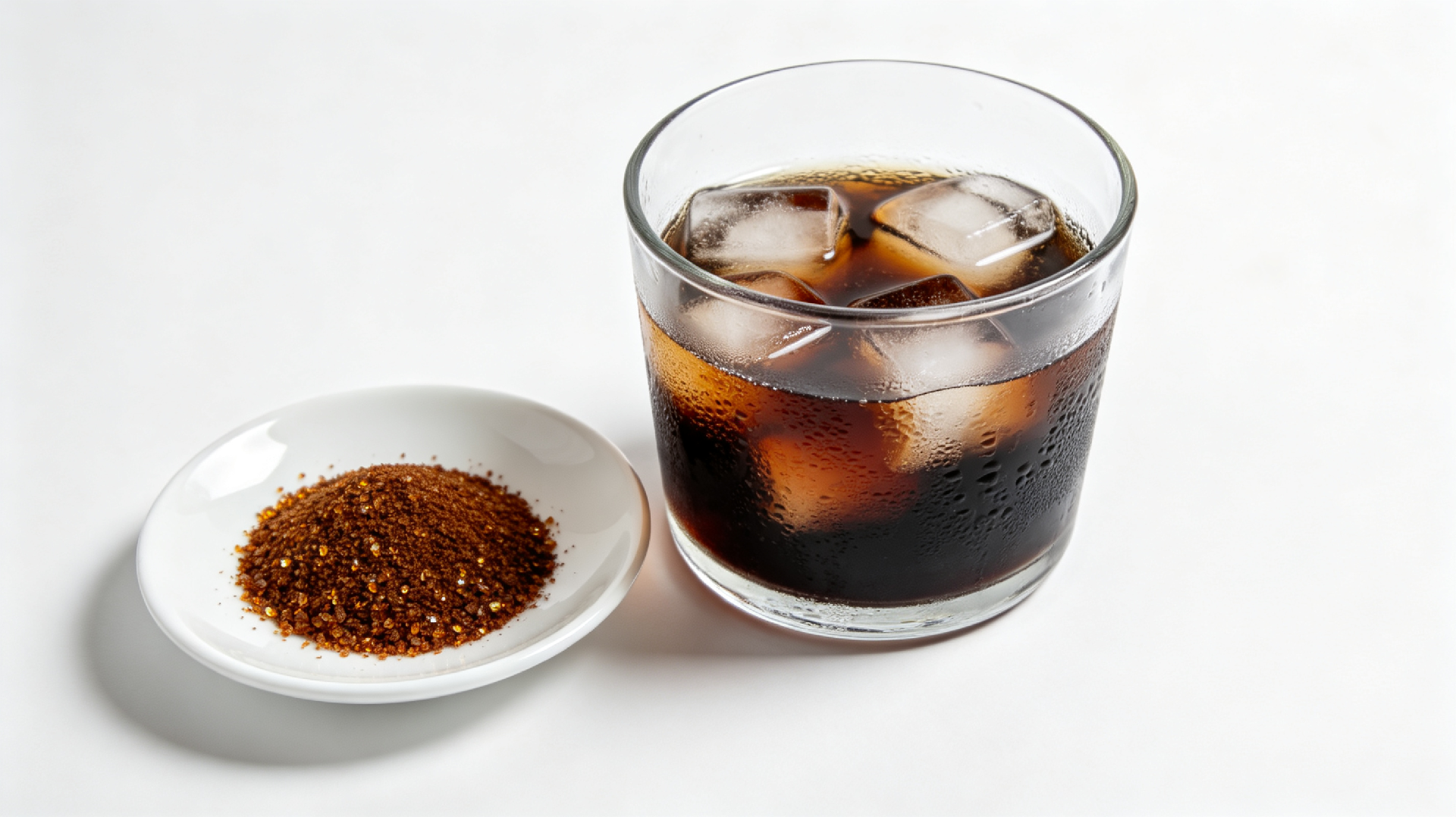
Malt extract is produced by germinating and drying barley, then extracting the soluble solids. Dried to a powder, it carries a toasted, slightly biscuit-like sweetness and a natural colour that ranges from amber to deep brown. In a finished beverage it is rarely used alone. A typical malt drink powder combines malt extract with a creamer or milk-type powder for body, sugar or a sweetener system, often cocoa, and a vitamin and mineral premix. The creamer is what turns a thin, sharp malt solution into something that reads as nourishing.
Where the volume sits
Three regions account for most of the demand. South Asia — India, Pakistan, Bangladesh — has the deepest habit, with malt drinks positioned as family nutrition and consumed hot in winter, cold in summer. Southeast Asia, particularly Malaysia, Singapore and the Philippines, treats malt as a mainstream everyday drink rather than a health product. West and East Africa is the fastest-moving market: Nigeria, Ghana and Kenya all have strong domestic malt beverage brands, and non-alcoholic malt drinks have become a genuine alternative to beer in social settings. The Gulf adds a smaller but premium segment, usually cocoa-fortified and sold in single-serve sachets.

Three formulation problems buyers keep running into
First, malt extract is hygroscopic and sticky. In a dry blend it pulls moisture from the air and from neighbouring ingredients, and a powder that flows well on day one can cake into a brick within weeks. Agglomeration and a carrier system are not optional refinements here — they are what makes the product sellable in a humid climate.
Second, malt flavour fades. The toasted notes that make the drink distinctive are volatile, and a blend that tastes right at pilot scale can read flat after months on a warm shelf. Cocoa and creamer both help carry the profile, which is why the two ingredients tend to be specified together.
Third, body is where cheap formulations fail. Malt alone in water is thin and slightly sour. Customers judge these drinks by mouthfeel — the sense of substance that makes a small sachet feel like a meal. That body comes from fat and solids, meaning the creamer choice decides whether the product is accepted or rejected, far more than the malt percentage on the label.
What this means for sourcing
The practical consequence is that malt drink manufacturers increasingly want one supplier for the whole base — malt, creamer, cocoa — instead of assembling three shipments from three origins and then discovering the blend does not flow. Sourcing the powder system together also shortens reformulation cycles when a customer wants to cut sugar or shift to a plant-based claim.
Jiangsu Leiva Biotech Co., Ltd supplies non-dairy creamer, Fat Filled Milk Powder, cocoa powder and malt-based powders that can be specified as a single beverage system. Fat content, solubility and particle size are confirmed against the product data sheet, and customised specifications are available on request.
Website:www.hengfood.com