Release time:2026-11-13
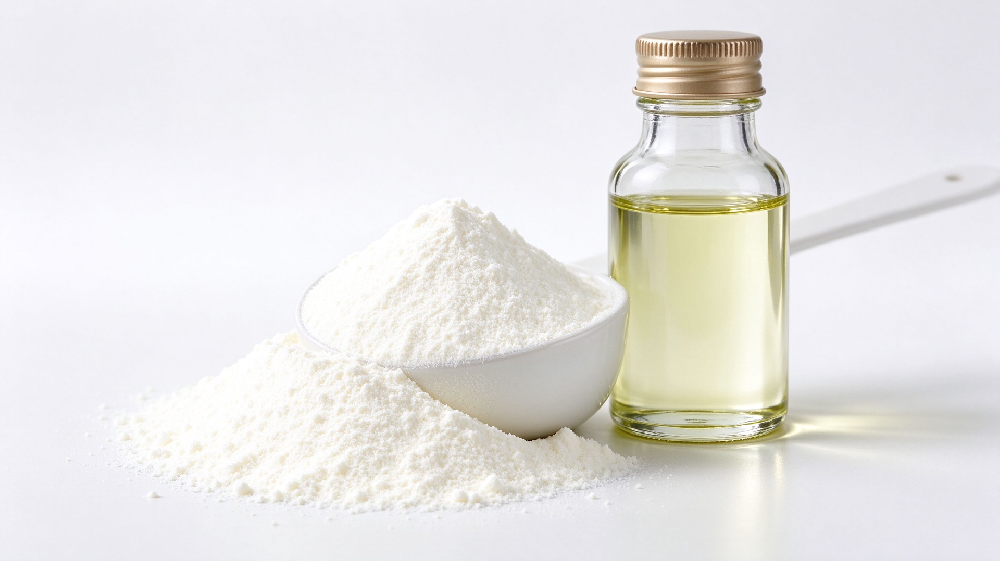
Medium-chain triglycerides are liquid at room temperature. So "MCT powder" is never MCT on its own — it is always MCT oil sprayed onto a carrier and dried. That single fact explains most of the quality differences between suppliers, and most of the complaints that follow a first shipment.
The carrier is not filler
Buyers habitually compare MCT powders by MCT content per gram and stop there. The carrier is treated as packaging. In practice the carrier usually makes up a large share of the powder by weight, and it sets the behaviour of everything downstream: how the powder flows, how it disperses, how it tastes, how long it keeps, and whether the finished product can legally carry a keto or low-carb claim.
Maltodextrin-based carriers are the cheapest and the easiest to handle. They flow well, they are bland, and they spray-dry reliably. They are also carbohydrate, which puts them in direct conflict with a low-carb positioning — a formulator can end up with a product that delivers the MCT but breaks the claim.
Fibre-based carriers, typically gum acacia, solve the claim problem and behave differently. They hold oil well, disperse into a slightly thicker liquid, and cost noticeably more. They are also stickier in the tower and more prone to picking up moisture in storage, so the powder's flowability has to be engineered rather than assumed.
Protein-based carriers sit in between. They add label value and mouthfeel, and they work well in shake-style applications, but protein and oil are not natural partners — emulsion stability over shelf life has to be tested rather than hoped for.
What actually goes wrong in the cup
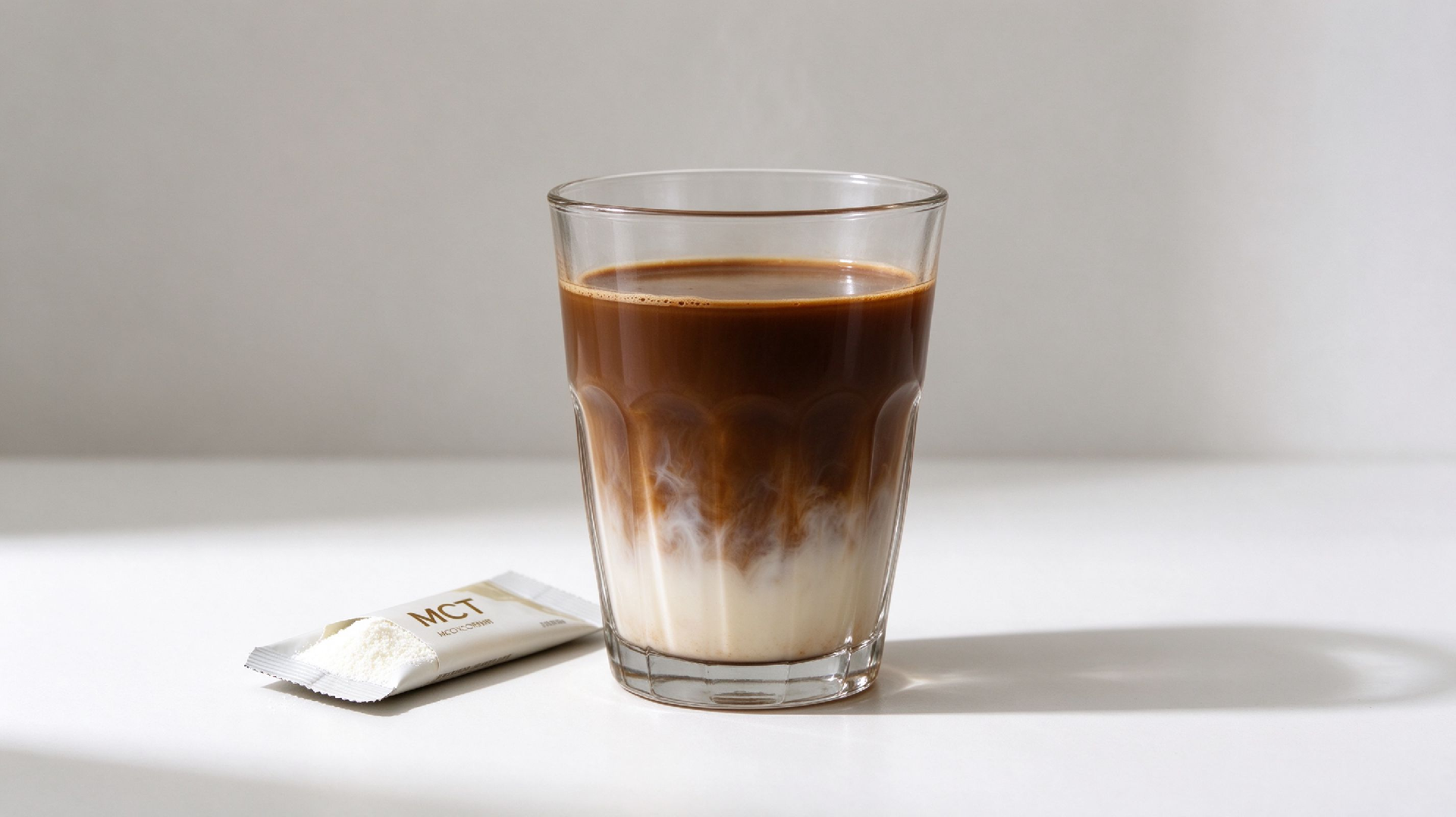
Three failures show up again and again. The first is clumping in cold liquid. MCT powder is often added to cold water or cold coffee, and a powder that disperses cleanly in hot water can float on top of a cold drink in a stubborn raft. Dispersion has to be tested at the temperature the consumer actually uses, not the temperature that is convenient in the lab.
The second is free oil. Above a certain oil load, some oil stays on the surface of the particles instead of being encapsulated. It feels greasy, it clumps, and it oxidises — which is where the rancid, slightly soapy off-note in a stale MCT powder comes from. Oil load is the specification that most directly trades MCT density against shelf stability.
The third is the oil film. Even a well-encapsulated powder can leave a visible ring on the surface of a drink if the emulsion is not matched to the beverage's pH, protein content and temperature. In black coffee this is obvious and unacceptable; in a thick shake it is invisible.
A selection path that saves a reformulation
Start from the claim, not the ingredient. Decide how many grams of MCT per serving the product needs, then pick a carrier that is compatible with the label claim, then test three things before committing: dispersion in the real liquid at the real temperature, free oil and flowability after a month at ambient, and taste in the final sugar level rather than a sweet prototype.
Jiangsu Leiva Biotech Co., Ltd supplies MCT powder, non-dairy creamer, whipping cream powder and Fat Filled Milk Powder for sports nutrition, meal replacement and beverage applications. Oil load, carrier type and dispersion behaviour are confirmed against the product data sheet, and customised specifications are available on request.
Website: www.hengfood.com