NEWS

The New Chocolate Law: Changes Set to Impact Industry and Consumers

This April, the Federal Senate approved landmark legislation that redefines the identity of chocolate in Brazil. The new law alters the minimum percentages of cocoa solids required for each category and mandates unprecedented transparency in labeling. The objective is clear: to combat the "infantilization" of the Brazilian palate—currently saturated with sugar and fat—and to boost the value of domestic cocoa production. While awaiting presidential sanction, the new law has already sounded the alarm: what adaptations will be necessary within the industry?What Changes in Practice?Until now, ANVISA regulations allowed a product containing as little as 25% cocoa to be designated as "chocolate" in Brazil. Under the new law, these requirements are being raised. New parameters will now apply:Milk Chocolate: The minimum rises from 25% to 27% total cocoa solids.Dark Chocolate: Must contain a minimum of 35% total cocoa solids.White Chocolate: The requirement for a minimum of 20% cocoa butter remains in place, but with stricter rules prohibiting the use of substitute vegetable fats in order to retain the "chocolate" designation.Furthermore, the law makes it mandatory to display the exact cocoa percentage on the main face of the packaging, in a legible font size, thereby eliminating consumer uncertainty at the point of purchase.Implications for the IndustryFor large-scale manufacturers, this change goes far beyond mere aesthetics and will necessitate internal adjustments to product development processes.One significant impact concerns costs, given that cocoa is the most expensive ingredient in chocolate. Increasing the minimum content from 25% to 27% (or higher, depending on brand strategy) across a production scale of millions of units represents a substantial financial impact. Companies will need to optimize their supply chains to absorb this cost without passing it on in full to the final price.The change will also require rheological and sensory adjustments, as a higher cocoa content means more solid particles, which alters the viscosity of the mass during manufacturing. Technically, the industry will have to adjust its conching processes—where flavor and texture are developed—to ensure the chocolate does not become excessively astringent or take on a "gritty" texture on the palate.Another key point is that the new law pushes for a reduction in hydrogenated vegetable fats. The challenge will be to maintain that characteristic "melt-in-the-mouth" quality by using a higher proportion of cocoa butter or equivalent vegetable fats (CBEs) that comply with the new purity requirements.Implications for the Consumer: Better Health and InformationFor consumers, this law marks a watershed moment in terms of transparency. The expectation is that it will put an end to the notorious "sugar-tasting chocolate"—a frequent source of complaints among consumers.With the increase in the minimum cocoa content, sugar will no longer be the absolute protagonist in product formulations. Consumers will now have access to a nutritionally superior product, featuring a higher concentration of flavonoids (natural antioxidants found in cocoa).Much like the "magnifying glass" labeling system introduced by ANVISA for fats and sodium, the prominent display of the cocoa percentage will enable quick comparisons. Consumers will be able to decide whether they prefer to pay a little extra for a chocolate with 40% cocoa rather than one with 27%.The long-term trend is that the Brazilian palate will become more discerning, coming to value the complex sensory notes of the cocoa bean over mere extreme sweetness.The Impact on the Production ChainThe enactment of this law serves as a catalyst for the national cocoa farming sector, particularly in the states of Bahia and Pará. As the industry requires a higher volume of cocoa solids to comply with the new regulations, demand for Brazilian cocoa beans is expected to rise. This encourages producers to invest in the quality of fermentation and drying, as the market will be more focused on the “cocoa ingredient” than on the “sugar filler.”Overall, the law marks a milestone of maturity for the Brazilian market. It compels the industry to innovate and deliver a more authentic product, while protecting consumers from misleading advertising.The adaptation period is yet to be defined following presidential sanction, but it is expected to require investments in research and development. The ultimate result will be a more robust, transparent sector aligned with global quality standards.Forwarded by Zhenjiang Heng Goodwill Food Co .,Ltd Sabrina Shen +86 15162996833admxu@hengfood.comwww.hengfood.com
2026-04-21
View details

COFFEE

The coffee market opened trading on Wednesday (15) with mixed performance on international exchanges, reflecting technical adjustments and fundamentals directly linked to Brazil. While Arabica is trading slightly lower in New York, Robusta is rising in London, supported by concerns over short-term coffee availability.Fundamentals remain centered on the Brazilian market. Cecafé data show that cumulative exports for the 2025/26 crop year totaled 29.09 million bags between July and March, a 21.2% decline compared to the same period of the previous season, when 36.91 million bags were shipped. This is the lowest volume for the period since 2022/23.Also according to Cecafé, in March 2026, Brazil exported 3.04 million bags, up 15.4% from February, when shipments totaled 2.63 million. Despite the monthly recovery, the environment remains restrictive, with lower production in the 2025/26 crop and historically low domestic stocks limiting the pace of foreign sales.The Center for Advanced Studies in Applied Economics (Cepea) notes that many producers already have little coffee available from the current crop and, buoyed by the high prices obtained throughout the season, show no rush to sell. This behavior reduces immediate supply and helps support Robusta prices, even as Arabica undergoes a technical correction.According to Cepea, this pattern of subdued exports is expected to persist until the 2026/27 harvest gains momentum, which is anticipated to occur more consistently starting in mid-May. Until then, the market is likely to remain sensitive to sales flows and conditions of the new crop.For Brazilian producers, the opening reinforces a scenario of prices still supported by tight supply, but with occasional fluctuations. Arabica is giving back some of its recent gains, while Robusta continues to find support in limited availability and a cautious marketing stance in Brazil.Announcement:Zhenjiang Heng Goodwill Food Co .,Ltd Promoter:: Sabrina Shen Phone: +86 15162996833Email: admxu@hengfood.comWebsite: www.hengfood.com
2026-04-16
View details

Freeze-Dried Coffee vs Instant Coffee Powder: What’s the Difference and Which to Choose?

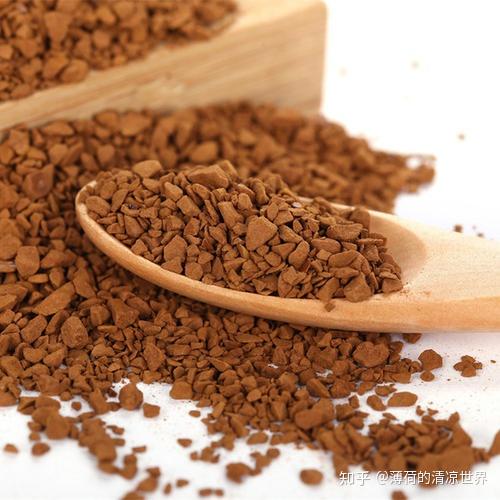
1. Introduction○ The popularity of instant coffee products in the global market (convenient, time-saving, suitable for daily life and food industry).○ Two mainstream types: freeze-dried coffee powder and instant coffee powder, many people confuse them.○ Lead to: Heng Goodwill Food produces both high-quality freeze-dried coffee and instant coffee powder, helping you choose the right product.2. What Are Freeze-Dried Coffee and Instant Coffee Powder?○ Freeze-dried coffee powder: Production process (freeze-drying technology, retain original coffee flavor), characteristics (high solubility, pure taste).○ Instant coffee powder: Production process (spray drying technology, efficient and cost-effective), characteristics (good solubility, stable supply).○ Hengfood’s production advantage: Advanced production lines for both technologies, strict raw material selection (high-quality coffee beans).3. Key Differences Between Freeze-Dried Coffee and Instant Coffee Powder○ Flavor: Freeze-dried coffee retains more original coffee aroma; instant coffee has a milder taste, suitable for mass consumption.○ Solubility: Both have good solubility, freeze-dried coffee dissolves faster in cold water.○ Price: Freeze-dried coffee is slightly higher (due to advanced technology); instant coffee is more cost-effective for bulk wholesale.○ Applications: Freeze-dried coffee for high-end drinks, capsule coffee; instant coffee for 3-in-1 coffee, food factories, vending machines.4. How to Choose Between Freeze-Dried Coffee and Instant Coffee Powder?○ For high-end cafes/dessert shops: Choose freeze-dried coffee (pure flavor, improve product grade).○ For food factories/bulk wholesale: Choose instant coffee powder (cost-effective, stable supply).○ For functional beverages: Both are available, Hengfood can provide customized formulas.5. Heng Goodwill Food’s Coffee Powder Products○ Freeze-dried coffee powder: Pure flavor, no additives, ISO/HALAL certified, support bulk wholesale and OEM.○ Instant coffee powder: Rich aroma, smooth taste, adjustable concentration, suitable for mass production.○ Service: Provide samples, technical support, customize packaging and flavor.6. Conclusion○ Summarize the differences and application scenarios of the two coffee powders.○ Call to action: Contact Heng Goodwill Food (www.hengfood.com) to get the right coffee powder solution for your business.Announcement:Zhenjiang Heng Goodwill Food Co .,Ltd Promoter:: Sabrina Shen Phone: +86 15162996833Email: admxu@hengfood.com
2026-04-14
View details

Wholesale Non-Dairy Creamer: The Best Choice for Coffee and Tea Beverages

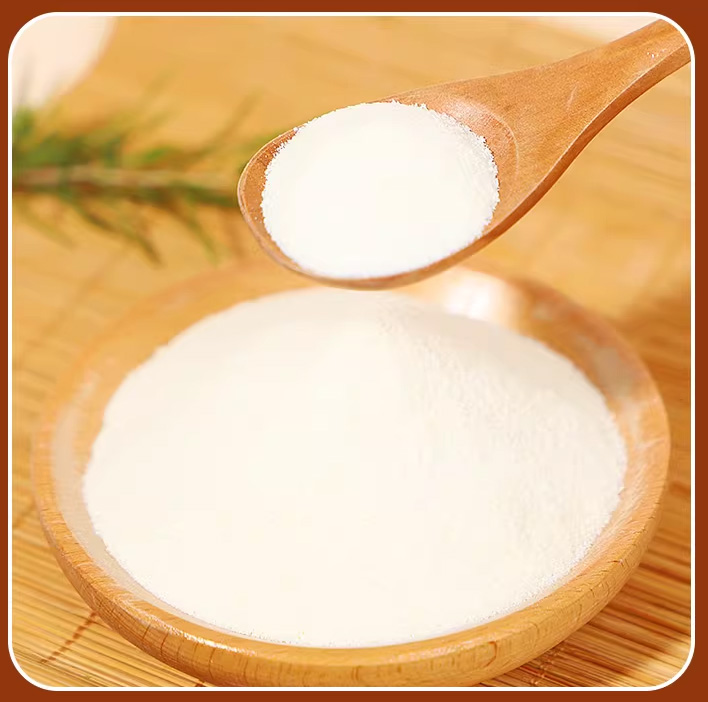
1.What Makes a High-Quality Wholesale Non-Dairy Creamer?○Solubility: Quick dissolution in hot/cold drinks, no precipitation (key advantage of Hengfood’s non-dairy creamer).○Taste: Smooth and creamy, no strange odor, compatible with various coffee/tea flavors.○Safety: Food-grade raw materials, certified by ISO22000, HALAL, HACCP, FSSC22000 .○Stability: Long shelf life, stable performance in different temperature and pH environments.2.Why Choose Wholesale Non-Dairy Creamer from Heng Goodwill Food?○Factory direct supply: No middlemen, competitive wholesale price, support bulk orders.○Customization: Adjustable fat content, flavor, color according to customer needs (OEM/ODM service).○Quality assurance: Strict quality control system, advanced production lines, regular inspection.○Global supply: Rich export experience, stable delivery, support for international certifications.3.Applications of Wholesale Non-Dairy Creamer in Coffee and Tea○Coffee: Latte, cappuccino, instant coffee (improve taste and texture).○Tea: Milk tea, fruit tea, herbal tea (add creaminess, balance sweetness and bitterness).○Other applications: Cereal drinks, protein beverages, bakery products (expand usage scenarios).4.FAQs About Wholesale Non-Dairy Creamer○Q: What is the minimum order quantity (MOQ) for wholesale non-dairy creamer? A: Answer with Hengfood’s actual MOQ, support small trial orders.○Q: How to store non-dairy creamer correctly?A: Provide professional storage advice (dry, cool, avoid direct sunlight).○Q: Do you provide samples? A: Yes, free samples available, customers only need to bear shipping cost.5.○Call to action: Contact Zhenjiang Heng Goodwill Food (www.hengfood.com) for wholesale quotes and samples.Announcement:Zhenjiang Heng Goodwill Food Co .,Ltd Promoter:: Sabrina Shen Phone: +86 15162996833Email: admxu@hengfood.com
2026-04-11
View details

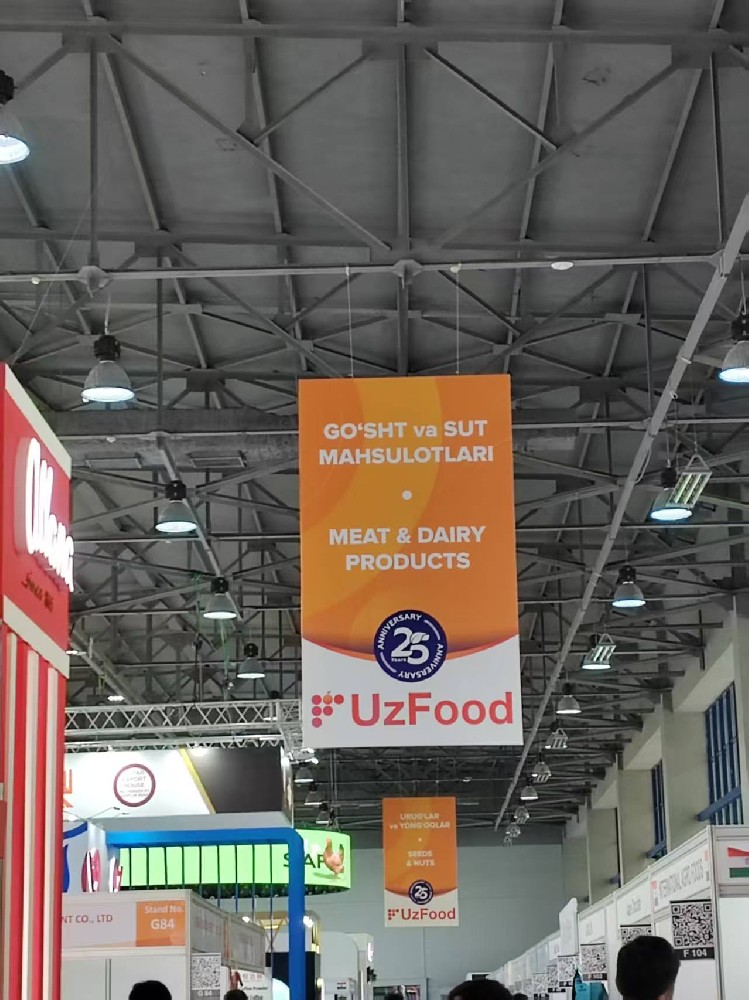
UzFood 2026 in Tashkent, Zhenjiang Heng Goodwill Food Co., Ltd. deepens its engagement in the Central Asian market, empowering the local food industry with high-quality non-dairy creamers and coffee powders.

From April 1 to 3, 2026, the 25th Uzbekistan International Food and Ingredients Exhibition (UzFood 2026)—a highly influential event in Central Asia—concluded successfully at the Tashkent International Exhibition Center. As a specialized manufacturer of non-dairy creamers, instant coffee powder, and freeze-dried coffee powder, Zhenjiang Heng Goodwill Food Co., Ltd. made a grand appearance, showcasing its full range of food ingredient solutions. The company engaged in in-depth interactions with industry partners from 48 countries, effectively expanding its presence in the Central Asian market and securing a wealth of orders and potential collaborations.I. Focusing on the Central Asian "Blue Ocean": Precisely Meeting Market DemandsAs a core economic hub in Central Asia, Uzbekistan has witnessed rapid growth in its food and beverage sector in recent years, driven by robust market demand for coffee, instant beverages, baked goods, and ice cream. The local coffee consumption market boasts an average annual growth rate exceeding 3.7%, with instant coffee and "3-in-1" beverages dominating the landscape. Consequently, there is a continuously rising demand for non-dairy creamers—characterized by high stability, excellent solubility, and a smooth mouthfeel—as well as for high-quality coffee powders. Zhenjiang Heng Goodwill Food Co., Ltd. has dedicated years to deep cultivation within the food ingredients sector, focusing on the R&D and production of products such as non-dairy creamers, coffee powders, high-fat powders, MCT powders, liquid coffee extracts, and plant-based creamers. Leveraging its strengths in consistent quality, cost-effectiveness, customized formulations, and rapid delivery, the company has successfully exported its products to numerous countries worldwide. The objective of its participation in this exhibition was to provide one-stop ingredient solutions to beverage manufacturers, coffee producers, bakeries, ice cream makers, and food wholesalers across Uzbekistan and neighboring regions.II. Star Products Take Center Stage: Highly Acclaimed by Local BuyersThroughout the exhibition, the Zhenjiang Heng Goodwill Food Co., Ltd. booth buzzed with activity, and its core product lines garnered significant popularity:Non-Dairy Creamer Series: Perfectly suited for use in coffee, milk tea, cereals, baked goods, and ice cream, these creamers feature excellent solubility, a rich creamy flavor, high stability, and low levels of trans fatty acids—effectively meeting the local market's demand for product upgrades in both the beverage and food sectors. Instant Coffee Powder / Freeze-Dried Coffee Powder: Characterized by a pure aroma, balanced bitterness, and complete solubility with no residue, these products are ideally suited for formulating 3-in-1 coffee mixes, canned coffees, and specialty coffee blends—perfectly aligning with the local market's preference for instant coffee and its growing trend toward premiumization.Customized Solutions: Tailored to local preferences regarding sweetness levels, creaminess, color profiles, and cost requirements, we provide exclusive formulations, OEM/ODM services, and technical support, empowering our clients to create localized "hit products" that resonate with consumers.Numerous local importers, brand owners, and manufacturing facilities engaged in on-site discussions, resulting in agreements regarding sample shipments, pilot orders, and long-term supply partnerships. Several clients explicitly designated XX Foods as a "core supplier," thereby laying a solid foundation for our future deep-rooted expansion within the Central Asian market.III: Our participation in UzFood 2026 was a resounding success—marking a pivotal step in Zhenjiang Heng Goodwill Food Co., Ltd.'s strategic expansion into Central Asia and its broader mission to serve the global market. Moving forward, the company will remain focused on its core strengths—high-quality products, customized services, and a stable supply chain—to deepen cooperation with markets such as Uzbekistan, Kazakhstan, and Russia. We are committed to providing the local food industry with superior, safer, and more cost-effective non-dairy creamers, coffee powders, and food ingredients, thereby facilitating our clients' product upgrades and brand growth, and establishing ourselves as a trusted, long-term partner for food ingredients within the Central Asian market.Zhenjiang Heng Goodwill Food Co.,LTdSabrina Shenadmxu@hengfood.com+86 15162996833
2026-04-07
View details