NEWS

The Rise of Ready-to-Drink Coffee: What It Means for Instant Coffee Powder

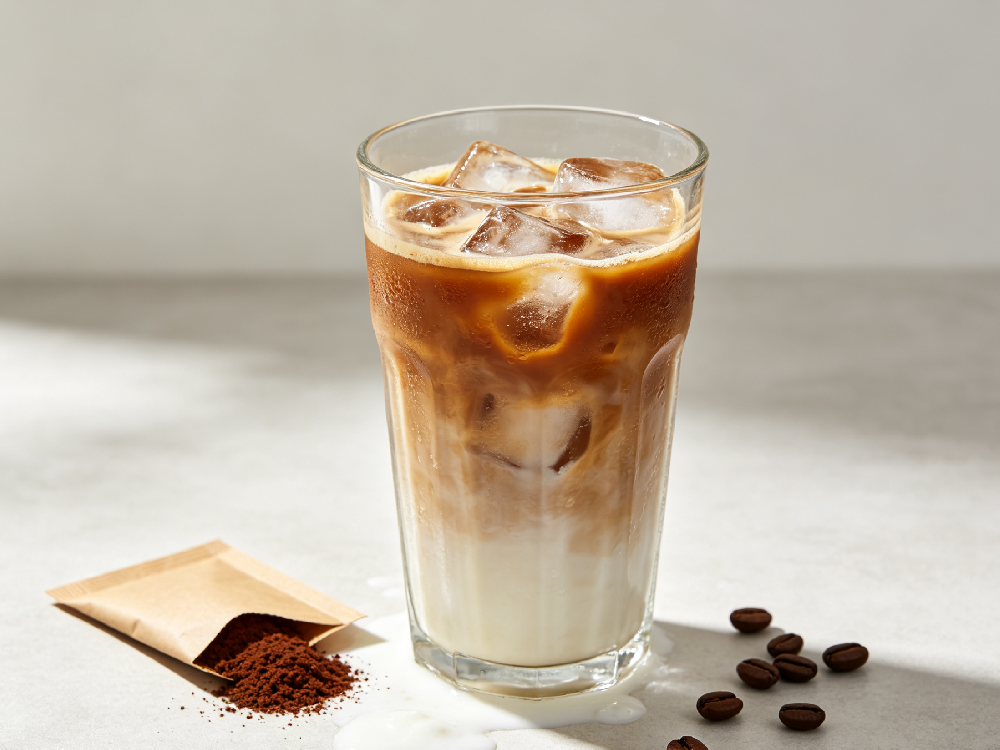
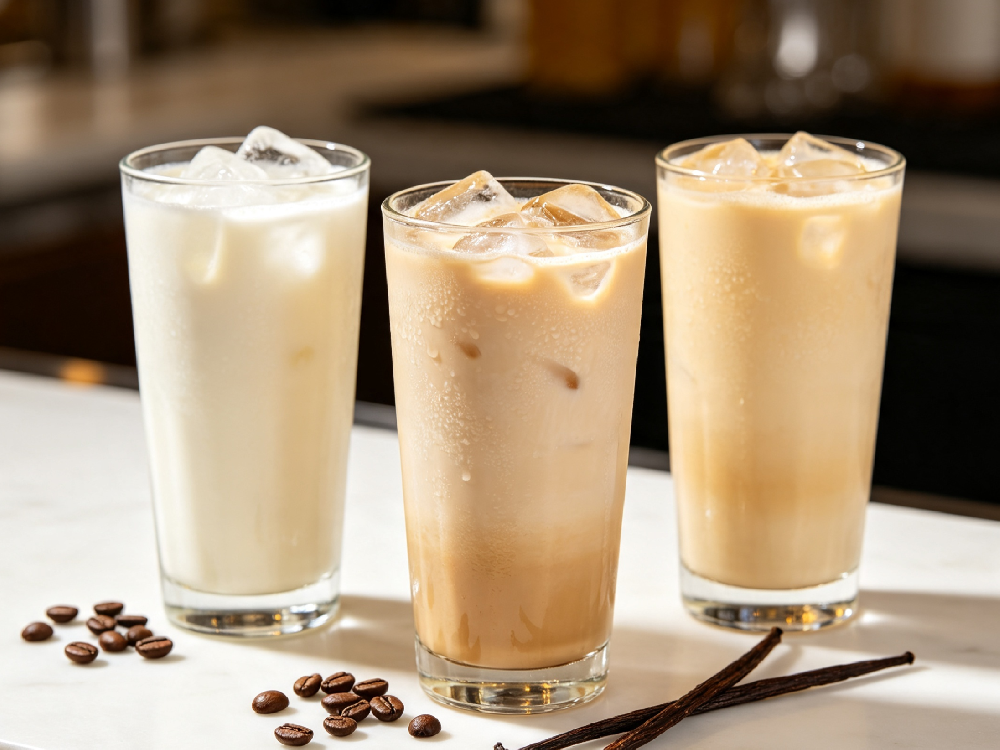
Ready-to-drink (RTD) coffee has moved from a convenience niche to one of the fastest-growing segments in the global beverage market. Canned lattes, bottled cold brews, and shelf-stable coffee drinks are appearing in convenience stores, supermarkets, and vending channels across Southeast Asia, the Middle East, and Latin America. For ingredient suppliers, this shift is more than a trend to watch — it is reshaping how instant coffee powder is sourced and specified.Why RTD coffee is growingThe drivers are familiar to anyone following the beverage industry: urbanization and busy lifestyles, rising coffee culture in tea-centric markets, and a preference for products that need no equipment and no brewing skills. RTD coffee delivers coffee flavor in a portable, ambient-stable format, which makes it especially attractive in regions where refrigeration is limited and in channels where speed matters more than ceremony.The role of instant coffee powderMost RTD coffee is built on a liquid or powder coffee base, and spray-dried instant coffee powder plays a central role in many formulations. For manufacturers, powder offers practical advantages: easier handling in blending, consistent batch-to-batch flavor, flexible dosing for different recipes, and lower logistics cost than shipping brewed liquid concentrate. It also pairs naturally with other spray-dried ingredients such as non-dairy creamer and sweetener systems, which are commonly used to build the milky, sweet profile that consumers expect from a modern RTD latte.What buyers should ask for- Flavor consistency: does the powder deliver a stable roast profile across batches?- Solubility and cold-brew performance: will it dissolve cleanly in cold liquid for iced products?- Customization: can the supplier adjust roast level, particle size, or blend with creamer and sweetener to build a proprietary recipe?- Market compliance: HALAL and other certifications that matter for your destination market.At Jiangsu Leiva Biotech, we produce instant coffee powder and non-dairy creamer in our own spray-drying facility, and we can supply either ingredient individually or support blended formulations for RTD and 3-in-1 coffee products. Share your target market and product concept, and we will recommend a matching solution with samples for evaluation.website: www.hengfood.com
2026-08-26
View details

Inside a Non-Dairy Creamer: How Formulation and Ingredients Shape Quality

If you source non-dairy creamer, you have probably compared products by a single number — fat content. But the reality of spray-dried creamer is more nuanced: what makes one creamer dissolve instantly and another lump in cold tea is the formulation and ingredient choices, not any single spec. Understanding the building blocks helps you ask the right questions.The core building blocksA typical non-dairy creamer is built from a small set of ingredient categories working together:Vegetable fat — often palm kernel, coconut, or fully hydrogenated vegetable oil. The fat source influences mouthfeel, melting behavior, and the whiteness of the final beverage. Coconut-oil-based creamers, for example, are favored in many Asian markets for their clean flavor and creamy texture.Carbohydrates — glucose syrup and similar sugars act as the bulk carrier and provide sweetness and body; they also help the powder dissolve quickly.Protein — caseinate (often sodium caseinate) is the workhorse emulsifier and structure builder. It stabilizes the fat droplets during emulsification and contributes a dairy-like mouthfeel.Emulsifiers and stabilizers — these keep the fat phase evenly dispersed during both production and reconstitution, preventing a greasy surface film or separation.Why formulation matters more than a single numberTwo creamers can list the same fat percentage yet perform very differently. What matters is how the ingredients are balanced and how they are processed. A well-formulated creamer dissolves fast in both hot and cold liquids, whitens effectively, and stays stable in acidic or high-temperature conditions. A poorly balanced one may cloud unevenly, separate in tea, or leave an oily film.The role of spray dryingThe spray-drying step turns a carefully balanced liquid emulsion into a free-flowing powder while locking in the formulation. The quality of emulsification before drying, and the drying parameters themselves, determine the powder's particle structure, solubility, and storage stability. This is why a factory that controls the full process — from ingredient selection through spray drying — can deliver more consistent results than one that only blends powders.Questions to ask your supplier- Which fat source is used, and is a plant-based or specific oil option available?- What protein system is used to stabilize the emulsion?- Can the formulation be customized for acidity, sweetness, or clean-label requirements?- Is the powder instant-soluble in the conditions of your end application?At Jiangsu Leiva Biotech, our non-dairy creamer is formulated and spray-dried in our own facility. We can tailor fat source, sweetness, and functional properties to your application, and we hold ISO 22000, HACCP, IFANCA HALAL, and MUI HALAL certifications. Send us your target application and we will propose a matching formulation.website: www.hengfood.com
2026-08-21
View details

Choosing the Right Non-Dairy Creamer for Milk Tea, Coffee, and Bakery: A Buyer's Guide

Non-dairy creamer is one of the most widely used spray-dried ingredients in the world, but "creamer" is not a single product. The same powder that makes a bubble tea taste rich can be the wrong choice for a coffee brand or a bakery line. Understanding the application first is the key to sourcing the right specification.Why application mattersNon-dairy creamer is formulated to deliver three things: a milky appearance, a creamy mouthfeel, and emulsion stability. How these properties are balanced depends entirely on where the powder will be used. A creamer optimized for hot coffee may behave differently in an acidic fruit tea or a high-sugar bakery mix. Before you ask a supplier for a quote, define your application — beverage, bakery, dessert, or confectionery — and the conditions it will face, such as acidity, heat, or freezing.Key properties to discussWhen evaluating a non-dairy creamer, focus on a handful of practical properties:- Solubility and dispersibility — does it dissolve quickly in hot or cold liquid without lumping?- Whitening power — how effectively it turns a beverage opaque and milk-like- Emulsion stability — whether it stays uniform in acidic or high-temperature conditions without separating or floating- Mouthfeel — the creaminess and body it contributes, which varies with fat level and formulation- Shelf life and storage — how it holds up in warm, humid climates during sea transportRather than a single "fat content" number, a competent supplier will discuss the full formulation and match it to your target cup or product profile.Common application scenarioIn bubble tea and milk tea, creamer provides the rich, silky base that balances the tea's astringency. In coffee, it softens acidity and bitterness while adding a clean whitening effect. In bakery, creamer contributes moisture retention, tenderness, and a mild dairy note to breads, cakes, and biscuits. Each scenario may call for a different grade, particle profile, or fat source — such as coconut-oil-based options for a clean-label or plant-based position.How to shortlist suppliersStart with application fit, not price. Ask for samples matched to your actual use case, a full specification sheet, and confirmation of certifications relevant to your market — ISO 22000 and HACCP for food safety, plus HALAL certification (such as IFANCA and MUI) for Muslim-majority destinations. A factory that controls its own spray-drying line can adjust the formulation to your needs, which is a major advantage when you are building a proprietary recipe.At Jiangsu Leiva Biotech, non-dairy creamer is produced in our own spray-drying facility under ISO 22000, HACCP, IFANCA HALAL, and MUI HALAL certifications. Tell us your application, and we will recommend a matching specification and provide samples for your evaluation.Website: www.hengfood.com
2026-08-19
View details

What Is Fat-Filled Milk Powder? A Practical Introduction for Food and Beverage Buyers

Walk through any African market, Middle Eastern grocery store, or Southeast Asian beverage factory, and you will likely encounter one ingredient that quietly powers a huge range of products: fat-filled milk powder, often shortened to FFMP. If you are new to sourcing dairy-based ingredients, FFMP deserves a closer look.What FFMP actually isFat-filled milk powder is a spray-dried blend of milk protein (typically skim milk powder or whey protein concentrate) and refined vegetable fat (commonly palm or coconut). The vegetable fat replaces part of the butterfat that would be present in whole milk powder. The result is a powder that behaves much like milk powder in recipes but costs significantly less — usually 30% to 50% below whole milk powder on a per-tonne basis.Why manufacturers choose FFMPThree reasons dominate buyer decisions:1. Cost control—for price-sensitive markets, FFMP delivers milk-like functionality at a manageable cost.2. Shelf stability — properly packaged FFMP can store for 12 to 24 months without refrigeration, which matters for long sea voyages and warm-climate destinations.3. Functional flexibility — depending on protein and fat levels, FFMP can be tuned for beverages, bakery, confectionery, dairy drinks, and even seasoning bases.The protein range mattersFFMP is typically classified by protein content. Common commercial grades span from low (around 5%) to high (around 24%), with each grade suited to a different use:- Lower protein grades work well in confections, beverage whitener bases, and seasoning powders where a mild milky note is enough.- Mid-range grades (10% to 18%) are versatile — they fit bakery, dairy drinks, and recombined liquid milk production.- Higher protein grades (closer to 24%) approach the territory of skim milk powder, useful when a stronger dairy flavor is required without crossing into premium whole milk powder pricing.When discussing with a supplier, always confirm the exact protein level you need, because the same product name can hide very different specifications across factories.Where it fits in a product lineIn our product range, FFMP is a cross-application workhorse — it appears across solid beverages, liquid beverages, dairy products, confectionery, bakery, soups and seasonings, and health-food formulations. That breadth is intentional: a single ingredient can serve multiple SKUs in your portfolio, simplifying procurement and QC.How to evaluate FFMP qualityBefore signing with a supplier, ask for:- A full specification sheet covering protein, fat, moisture, solubility index, and microbiological limits- Sample batches from actual production (not pre-shipment showpieces)- References from buyers in your target market- Halal and food-safety certifications relevant to your destinationNote: Specifications are for reference based on our standard product range. Final parameters are confirmed at the time of order per buyer's requirements.website: www.hengfood.com
2026-08-14
View details

Natural Sweetener Track Booms, Honey Powder Becomes Healthy Upgrade for Solid Drinks

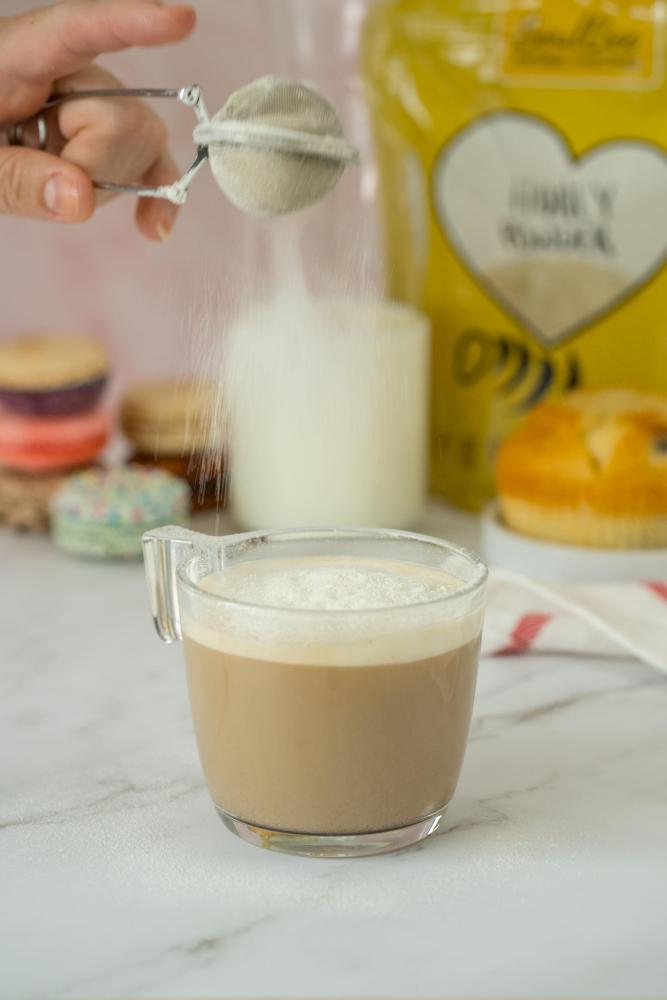
Honey powder, also known as spray-dried honey powder, is made from natural liquid honey as main raw material, mixed with maltodextrin, rice starch and other carriers, produced via filtration, low-temperature concentration and spray drying. It fully retains the aroma and flavor of natural honey, solving the pain points of liquid honey such as difficult transportation, easy fermentation, crystallization and stickiness, and serves as mainstream natural sweetener for food industry and instant solid beverage raw materials.Core AdvantagesNatural flavor: pure honey floral fragrance, free of artificial flavors and synthetic sweeteners, ideal for clean label products;Easy application: good powder flowability, customizable mesh size 80–120 mesh, mixes evenly with milk tea powder, cocoa powder and meal replacement powder without caking;Low logistics cost: no cold chain required, resistant to fermentation, 25kg bags convenient for sea export, 18-month shelf life;Multi-function: provides sweetness, aroma enhancement, moisture retention and coloring, heat-resistant, suitable for hot & cold processing.Main ApplicationsInstant milk tea powder, hot chocolate powder, meal replacement solid drinks, cereal breakfast, bakery pastries, candy, instant ginger jujube powder, functional health powder, commercial beverage base; bulk exported to food factories in Southeast Asia, Middle East and Africa.Basic SpecificationsAppearance: light yellow fine powder; honey solids content adjustable on demand; customizable mesh 80–120; packed in 25kg food-grade paper bags with inner liner, store in cool dry place, shelf life 18 months.Advantages over liquid honeyLiquid honey easily crystallizes, leaks during long-distance transport and ferments in summer; honey powder is stable dry powder compatible with solid production lines, greatly cutting factory loss and storage cost.
2026-06-29
View details